A SPLASH PAD SAFETY SURFACING STANDARD DOES EXIST
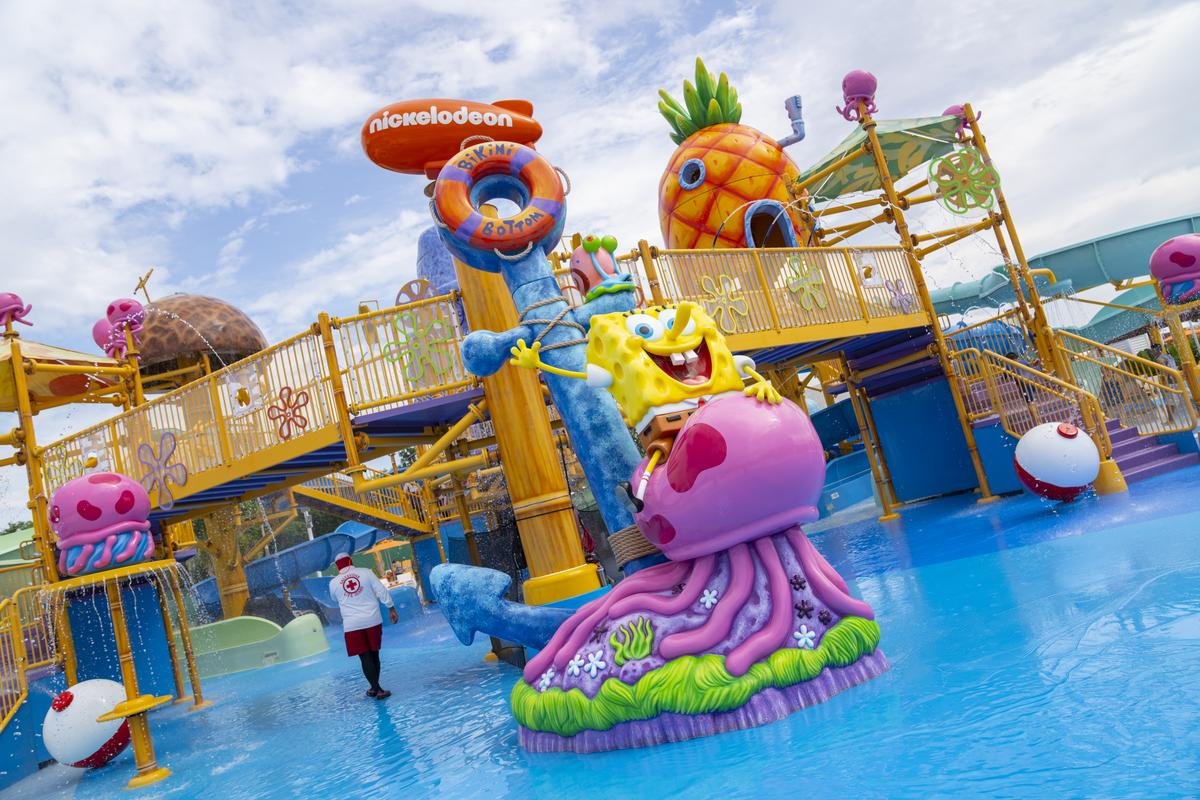
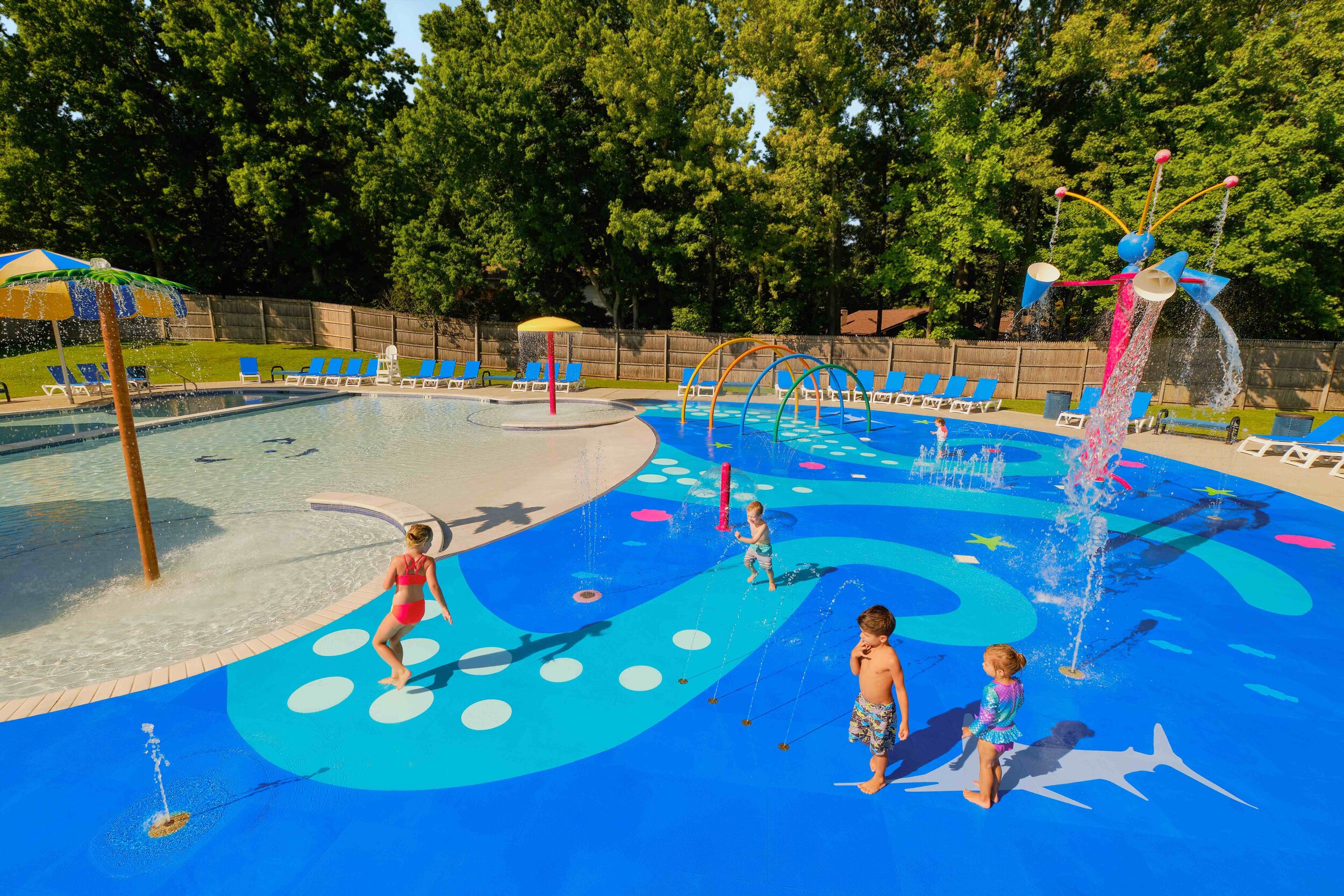
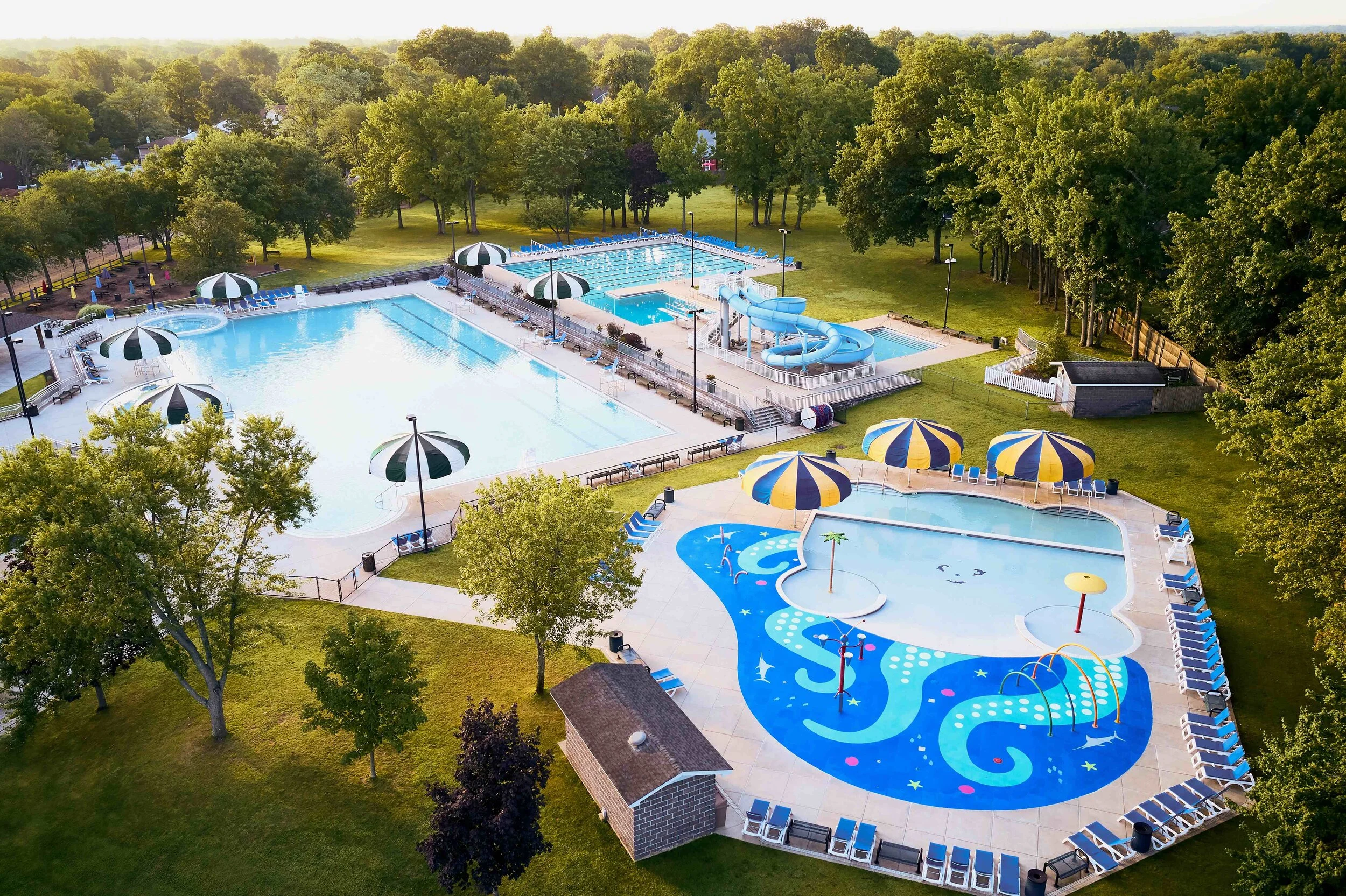
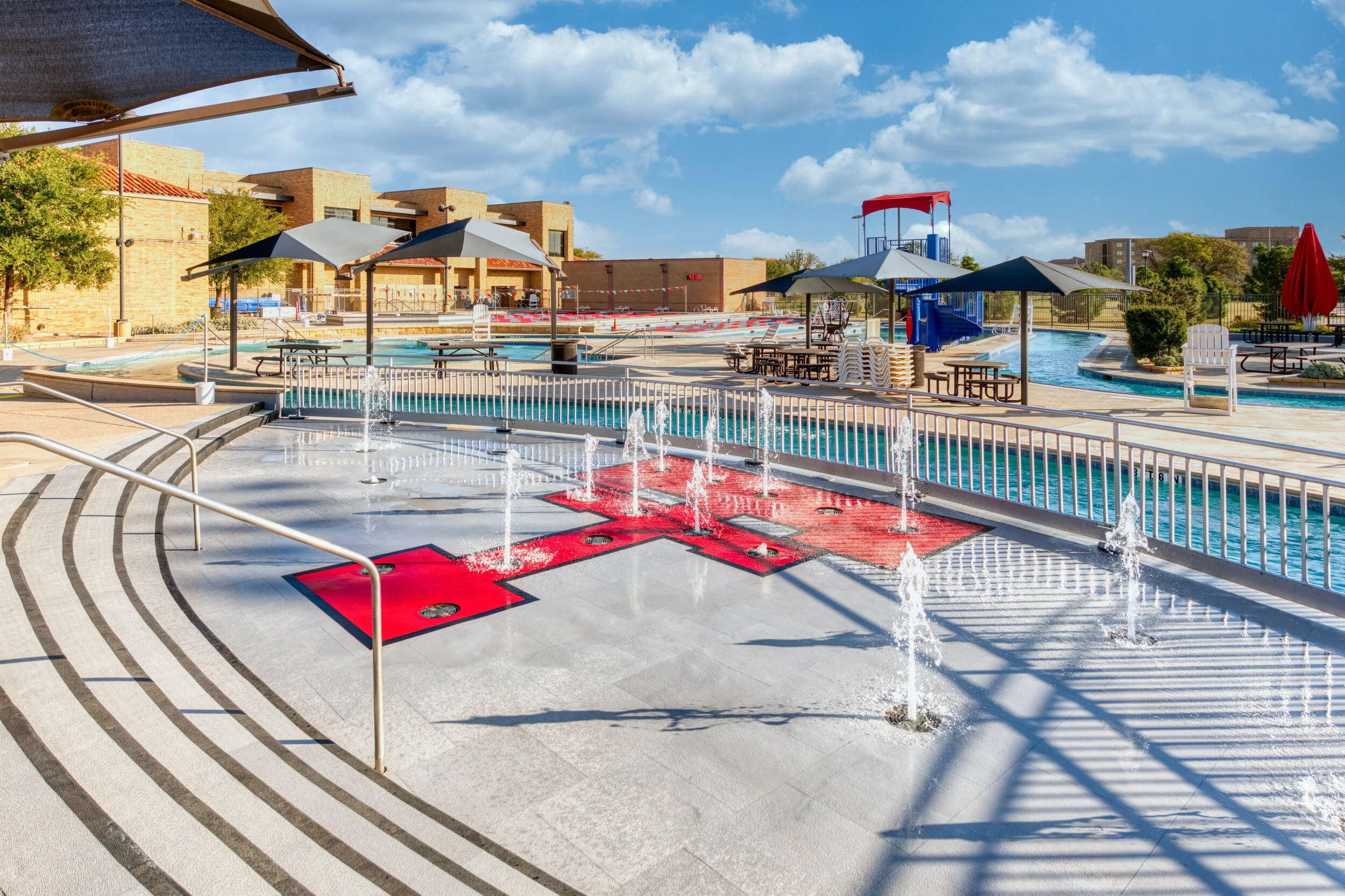
In 2019, after four years of research, testing, and careful deliberation, NSF International passed NSF/ANSI/CAN Standard 50:26. Recognizing that splash pads function as wet playgrounds, this is the first standard to address the safety of surfaces at interactive water play venues.
The standard cites 6 criteria that products must meet to become certified:
Slip Resistance
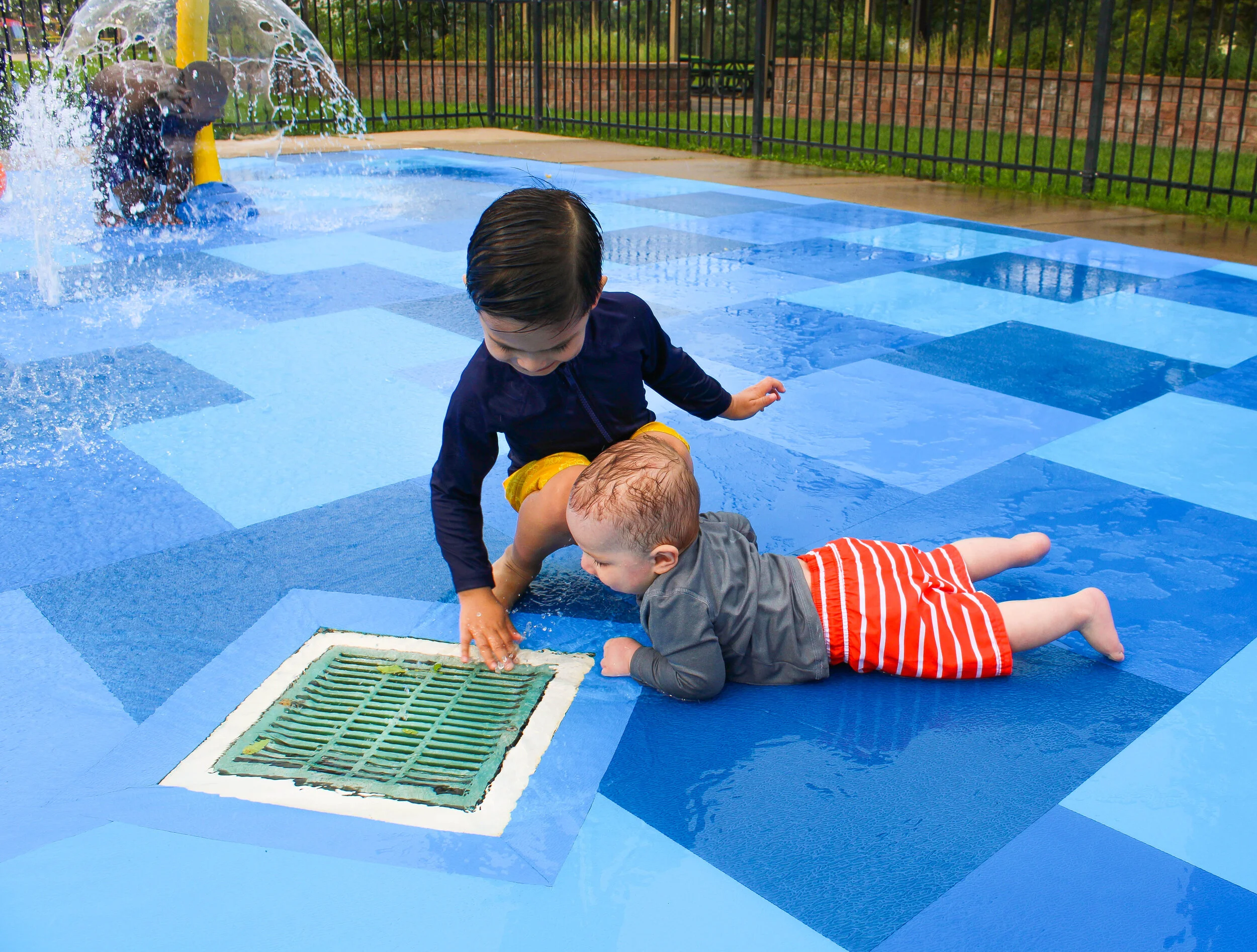
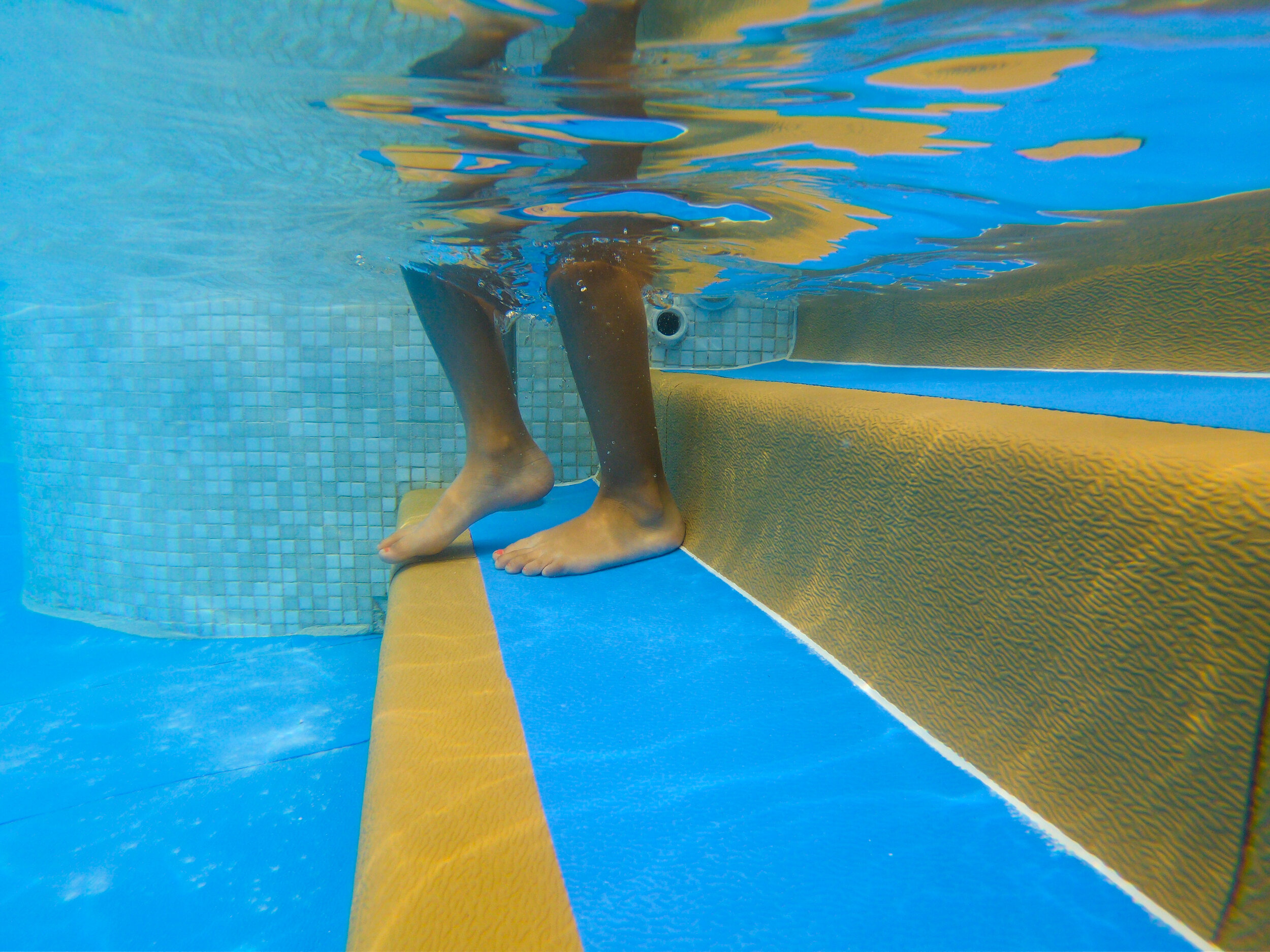
Slip-and-fall accidents are one of the top injuries that aquatic facilities report. Most injuries are due to slippery surfacing such as concrete or ceramic tile. Slip-resistance was included in the standard as a feature that certified surfaces should have in order to reduce the number of injuries as a direct result. Certified surfaces are slip-resistant to minimize slip-and-fall injuries. Meeting the criteria requires a 40 British Pendulum Number (BPN) and a P4 on the Australian Standard. Life Floor exceeds this criteria with a 65 BPN and P5 rating.
Impact Absorption
It’s inevitable that falls will happen regardless of slip-resistance since tripping or becoming unbalanced and falling also happens. To address this, impact absorption (also known as cushioning), was added to the standard to protect falls. The standard requires a Head Injury Criterion (HIC) maximum value of 750, with a 0.20 meter (0.66 ft) minimum fall height. Life Floor is certified to this standard with a 74 HIC which means our standard ⅜” tile recommended for splash pads and pool decks has a 1 ft critical fall height. Most raw eggs won’t break when dropped from waist height.
Impermeability
Impermeability is important so that foreign substances such as sunscreen, fertilizer run-off, and other hazardous substances do not absorb into the tile and cause issues. Life Floor is certified to this criteria with 99.7% Impermeability which contributes to the product’s easy to maintain and cleanable features. The joints between tiles were included in testing and received the same ratings.
Cleanability
Having an easily cleanable surface is important for many facilities since it directly impacts guest experience. Life Floor is made from a closed-cell foam, which means it does not harbor bacteria or support microbial growth. During testing, our tiles showed a 99.9% reduction of bacteria after being sanitized, including the joints of tiles.
UV Resistance
Resistance to UV radiation is essential, as many splash pads experience intense, year-long sun exposure. During testing, erosion is not acceptable if it compromises the surface’s traction and impact attenuation. Life Floor is certified to this standard.
Chemical Resistance
As part of the standard, certified surfaces must remain slip-resistant and impact attenuating properties after undergoing exposure to high chemical shock periods without showing signs of erosion. Unlike ceramic or painted depth markers, our tiles retain color contrast and visual clarity after both UV and chemical exposure which is important for safety messaging and depth markers.