
This is the third and final post in a three-part series on safety certification in the aquatic industry.
In Part 1, aquatic design veterans Dennis Berkshire and Ken Martin made the case for NSF-50-certified products, including a real-world account of a Florida facility that catastrophically failed after specifying an uncertified surface.
In Part 2, we went inside the five-year ASTM standards process that produced the new 2026 F2461 language for aquatic play equipment, with perspectives from the engineers, researchers, and international standards experts who built it. In this final installment, we close with the injury prevention argument from someone who has spent her career investigating what happens when surfaces fall short.
Slip-and-fall injuries at aquatic facilities don't make headlines the way dramatic incidents do. They happen quietly: a guest loses footing on a wet deck, a child running at a splash pad goes down on a hard surface, an older visitor misjudges a transition between materials. The injury may be a scraped knee. It may be a fractured hip. It may be something worse. What they share is this: most of them were preventable.
Throughout this blog series, we've heard from aquatic designers, engineers, and standards experts about the technical case for NSF-50 and ASTM-certified surfacing. In this final installment, we close with the perspective of someone who sees these incidents from the other side, after they happen, in depositions and courtrooms, in biomechanical analyses and expert witness reports.
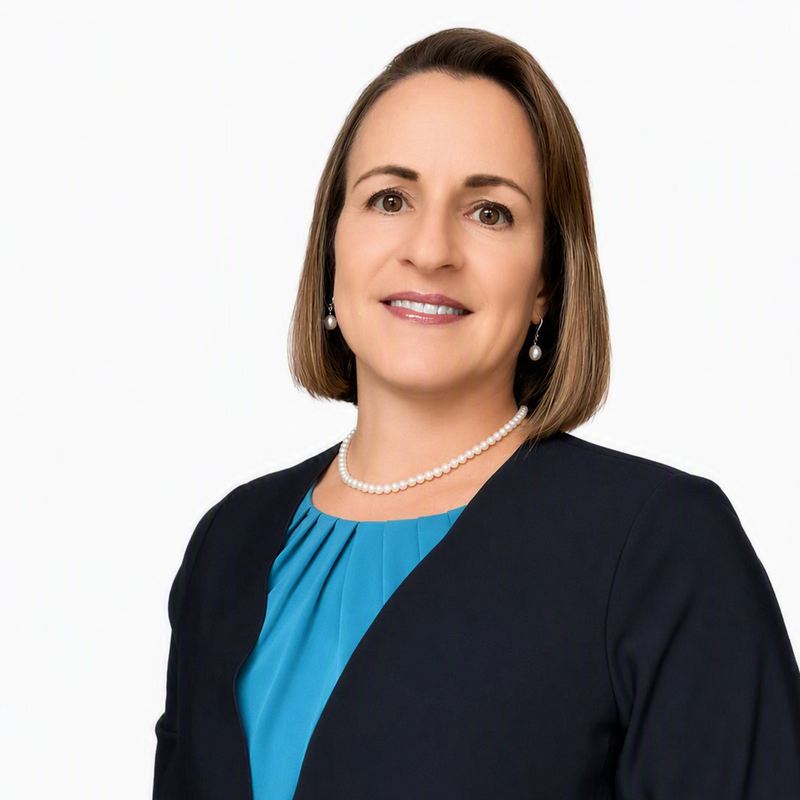
Dr. Tara Troxel, Ph.D., M.P.H., CSP, CXLT, is the Director of Biomechanical Engineering at YA Group. Her background spans impact biomechanics, human factors, public health, and biomedical engineering. She consults on matters including premise liability, human factors and ergonomics, product safety, and aquatic facility safety. She has investigated hundreds of slip, trip, and fall incidents and has a clear view of the role certified surfacing plays in preventing them.
The Gold Standard, in Plain Terms
When we asked Dr. Troxel how industry professionals view ASTM and NSF standards, her answer was direct:
“Industry professionals use ASTM and NSF standards to reduce the probability of slip-and-fall incidents and improve the guest experience with a fun, interactive, and safe environment. The ASTM and NSF standards are the ‘gold standard’ for aquatic facility safety.”
That phrase, gold standard, is not hyperbole. It reflects what these certifications actually represent: an independent, technically rigorous vetting process that goes beyond what any single manufacturer, operator, or designer could accomplish on their own.
Dr. Troxel's explanation of how that process works is worth understanding. NSF and ASTM standards don't emerge from a single expert's opinion. They are built through consensus:
“I participated in team meetings where industry professionals came to a consensus on the most effective approach to mitigating future slip and fall incidents in aquatic facilities. Using the consensus approach, industry recommended practices were created and approved by a majority vote.”
That consensus process is precisely what gives these standards their authority. When a product is certified to NSF-50, it hasn't just passed a manufacturer's own tests, it has met the requirements developed collaboratively by public health officials, safety professionals, industry experts, and consumer advocates, all working toward the same goal.

What Certification Means for Injury Prevention
For facilities that want to reduce slip-and-fall incidents and the legal exposure that follows them, Dr. Troxel is clear about where to focus:
“In terms of injury prevention related to slips and falls, the available traction and impact attenuation guidelines in the NSF-50 and ASTM standards are critically important.”
Traction and impact attenuation are the two technical pillars of surface safety in aquatic environments. Traction determines whether a guest can maintain footing on a wet surface. Impact attenuation determines what happens to the body if they don't. Certified surfaces address both, and they're tested under conditions that reflect how aquatic facilities are actually used, not just how they look on day one.
That distinction matters, as Dennis Berkshire noted in Part 1 of this series, he has personally witnessed aquatic facilities where surfaces performed adequately at opening but degraded rapidly under real conditions of water, foot traffic, and chemical exposure. Certified products are tested for this. Uncertified products often are not.
The bottom line, in Dr. Troxel's words:
“Facilities that use industry consensus standards are more likely to have fewer slip and fall incidents.”
What Happens When Certification Is Absent
We asked Dr. Troxel whether she has seen real-world cases where the absence of certified surfacing contributed to a safety incident, health concern, or legal challenge. Her answer: yes.
She declined to share specifics for publication, appropriately, given her role as an expert consultant, but the pattern she describes is consistent with what Ken Martin shared in Part 1: facilities that cut corners on certified surfacing pay for it later, often dramatically, in litigation, remediation, and reputational damage.
For any operator who has been told by a vendor that "certifications don't really matter," consider what it means to have that argument tested in a courtroom against a biomechanics expert who can explain precisely why the surface failed, and what a certified alternative would have cost to install.
A Professional's Dream
Dr. Troxel's final comment in her responses to our panel questions is the one we keep coming back to:
“Every safety professional dreams of preventing injuries from occurring, and that is why we firmly believe in the application of industry consensus standards.”
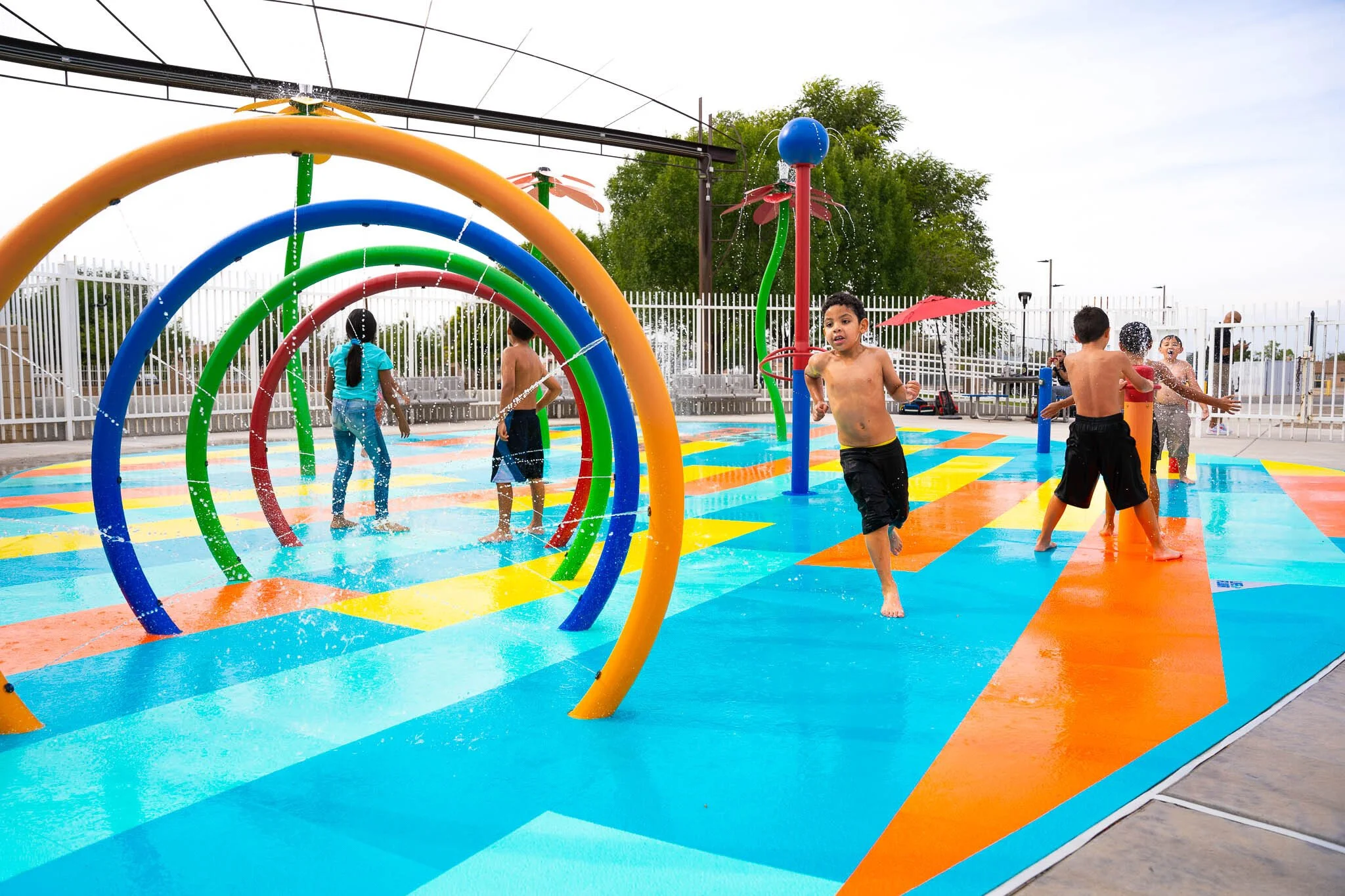
There is something quietly powerful in that statement. Safety professionals, engineers, consultants, designers, operators, don't measure success by the lawsuits they win. They measure it by the injuries that never happen. By the child who runs across a splash pad and makes it to the next water feature without going down. By the older guest who walks across a wet pool deck and gets home safely. By the family that comes back because the facility felt right, felt safe, in a way they couldn't quite articulate. Industry consensus standards are how you build that feeling into the floor.
The Broader Picture: A Message to the Industry
One theme ran through every conversation we had with our expert panel: the aquatic industry is being asked to choose between convenience and credibility.
Some vendors in this market suggest that certifications don't really matter. That their products perform just as well as certified alternatives. That the testing process is bureaucratic overhead that adds cost without adding value.
We would ask you to weigh that claim against the voices you've heard in this series:
A founding principal of a leading aquatic engineering firm who has seen non-certified surfacing fail within months and trigger multi-year litigation. A biomechanics expert who has spent her career investigating the injuries that happen when surfaces fall short. A standards committee chair who spent five years and a dozen ballot cycles building the technical framework that makes "slip resistant" mean something. An ASTM friction scientist who has built his career on creating the tools that let the rest of the industry make informed decisions.
These are not people with a stake in any particular product. They are people with a stake in the industry, in its integrity, its safety record, and its ability to serve guests of all ages and abilities without causing them harm.
Their collective message is clear: clients can be assured the products they purchase will function as anticipated only if those products have undergone rigorous, independent testing and been appropriately vetted within the industry.
That's what NSF-50 and ASTM certification represent. That's what Life Floor has represented for nearly seven years.
About Our Expert Panel
We are grateful to the following professionals for their time, their candor, and their commitment to a safer aquatic industry:
Dennis Berkshire
President, Aquatic Design Group; voting member and former technical committee chairman, NSF-50 Joint Committee with over 42 years in the industry.

Ken Martin
Founding Principal, Martin Aquatic; NSF-50 Joint Committee member with over 39 years in the industry.

Chris Sumner
Sub-Committee Chair, ASTM F24.70; safety programs leader across multiple major theme parks in the Orlando area

Claudio Barrera, P.Eng.
Senior Director, Manufacturing, IP & Compliance, WhiteWater West; past Chair, ASTM F24.70

Rolf Huber
President, Canadian Playground Advisory Inc.; CSA Z614 member since 1991; ASTM F08 committees member since the mid-1990s; Head of Delegation to ISO TC83 for the United States and Canada since 2011, with over 30 years in athletic, play, and recreation surfaces.

John Leffler
Forensic Mechanical Engineer; Chair, ASTM F13.10 "Traction" Subcommittee and F15.03 Bathing Surface Safety Subcommittee; lead author of three published ASTM standards
Dr. Tara B. Troxel, Ph.D., M.P.H., CSP, CXLT
Director of Biomechanical Enginnering at YA Group; expert in impact biomechanics, human factors, and aquatic facility safety

Brian Howell is the Director of Strategic Initiatives at Life Floor, where he helps advance safer, more accessible aquatic environments through education, standards development, and industry collaboration. Over the past six years, Brian has represented Life Floor at national conferences and has served on task forces for both NSF/ANSI/CAN Standard 50 and ASTM F24.70.
In his role, Brian works with State Public Health Departments across the country to educate staff on aquatic safety surfacing and support a deeper understanding of how surfacing impacts safety, accessibility, and long-term facility performance. He also assists in coordinating Life Floor’s involvement with the NSF/ANSI/CAN Standard 50 task group and ASTM F24.61 discussions related to aquatic play environments.
Brian enjoys serving as a resource for aquatic professionals, helping connect operators, regulators, designers, and industry partners with the information they need to create safer and more inclusive aquatic spaces.
Life Floor is the only safety surface manufacturer NSF-certified to NSF/ANSI/CAN Standard 50. Learn more at lifefloor.com