
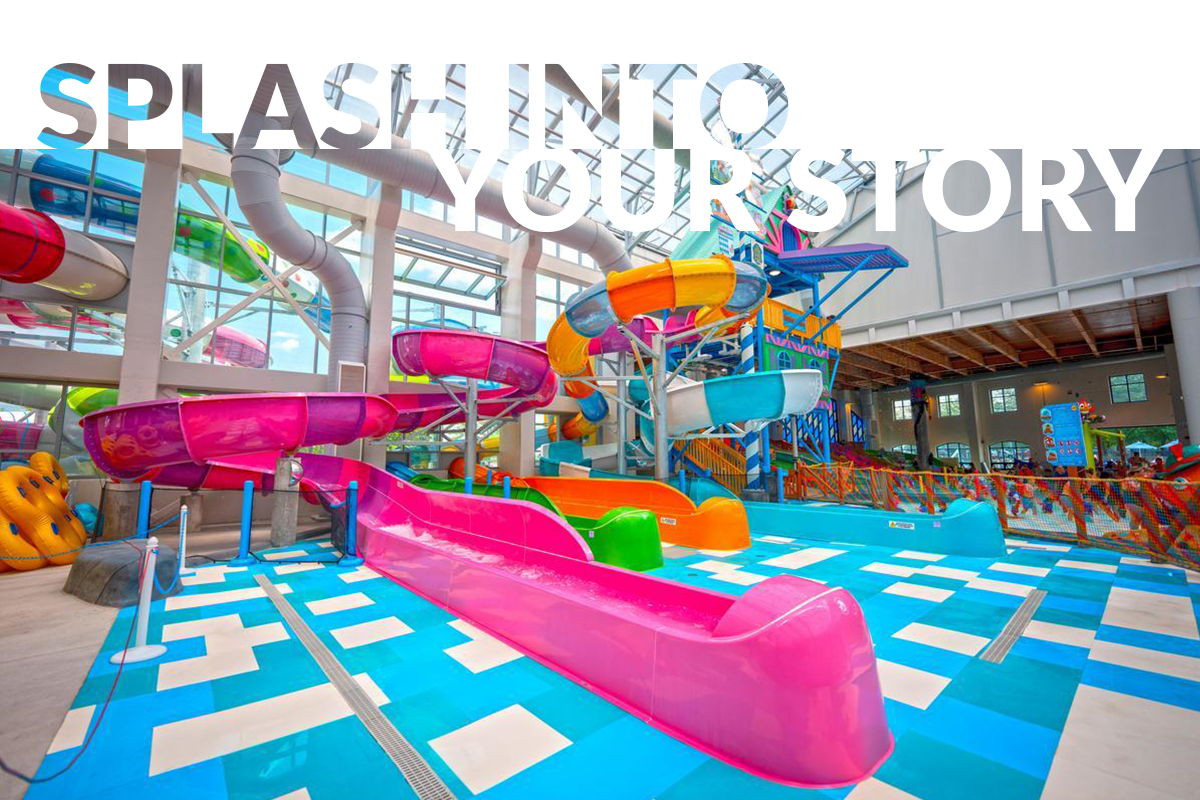
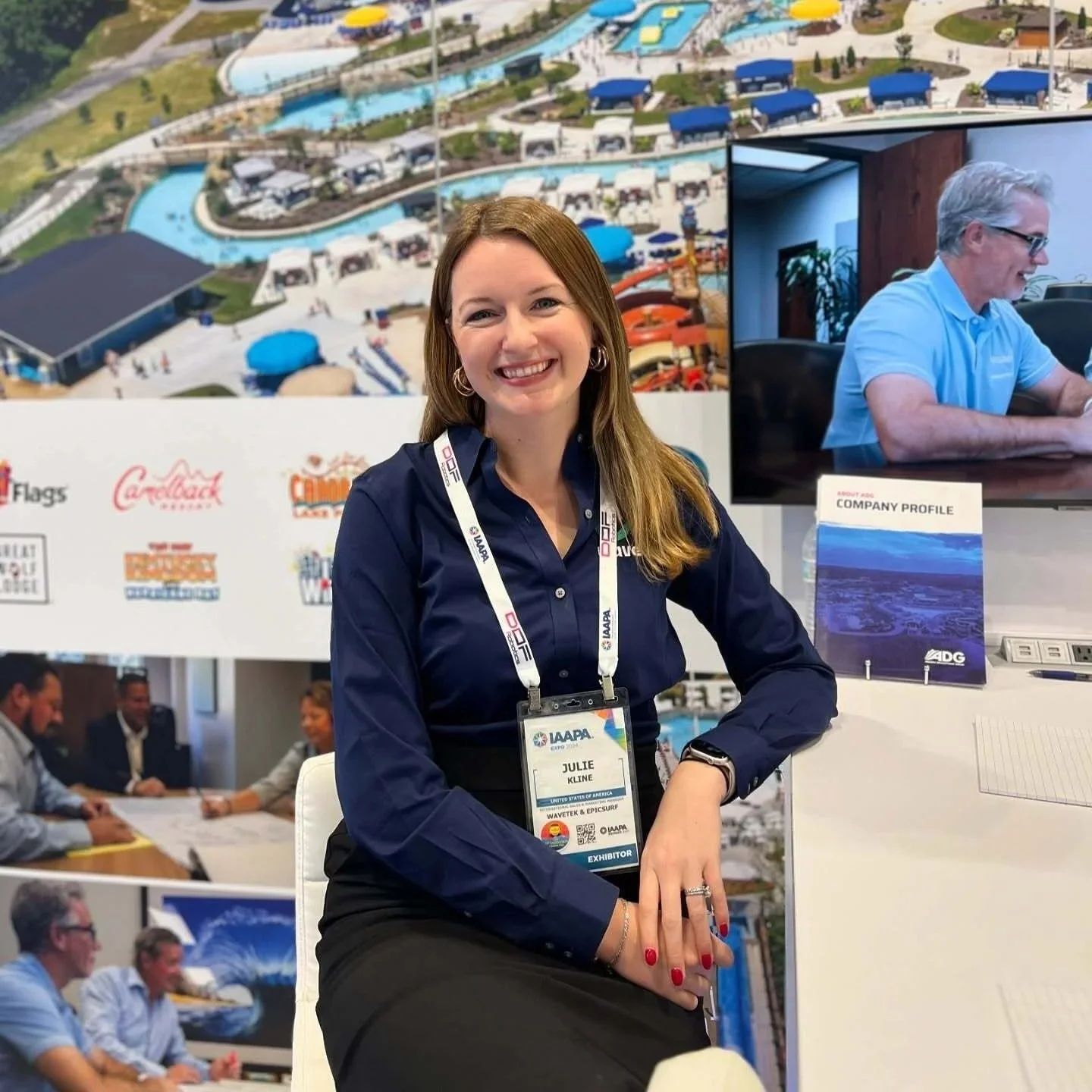
We’re excited to share an interview with Julie Kline of Aquatic Development Group, where we dive into the personal story, passion, and perspective that have shaped her nearly decade-long career in aquatics. Currently serving as ADG’s Director of Sales & Marketing, Julie reflects on the lessons that inspired her journey, her unexpected path into the industry, and how innovation, creativity, and inclusive design continue to drive her work nine years into her role.
What is a story that you were either told or heard as a child that has shaped who you are as a person and where you've gone in the industry?
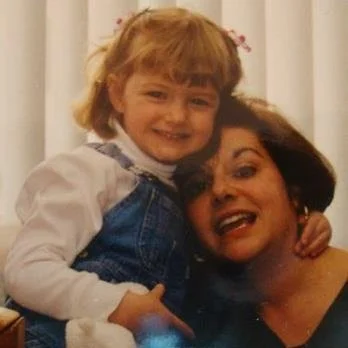
As I grew up, my mom has always been my best friend, and one of the life lessons she taught me was to go after my dreams. She never made me feel like I couldn't do something, and that's always stuck with me.
I've always felt confident because of that, even in adverse situations where you might feel like, ‘Do I know the answer?’ When I looked at where I wanted to go in my career, I knew I wanted to be in marketing. I had no idea where it would end up. I went to college and landed my first job out of school at Aquatic Development Group.
What first drew you to Aquatic Development Group, and did you ever imagine your career would lead you into the aquatics industry?
I do not have a story about being a lifeguard, nor was it a childhood dream. I honestly had so many different visions of what I wanted to do when I grew up. When I got braces as a teenager, I thought I would become an orthodontist. I thought it was going to be a lawyer. I wanted to be a broadcast journalist. I think the creative side always pulled me in. And when I started at ADG, I really was intrigued by the level of work they did. I knew they worked with Six Flags and SeaWorld, and I was amazed that in my hometown (only a few minutes from where I grew up), a company was building water parks. So that really drew me into the creativity and the innovation that came out of it.
What motivates you each day, and what makes you passionate about the work you do?
I truly love this industry; it’s a space I unexpectedly fell in love with over time. One of the biggest reasons is the people. ADG is a family-owned business with an incredible team, and it genuinely feels like a community. I’ve built lasting friendships here, and that sense of connection makes the work even more meaningful. The aquatics industry itself is also incredibly exciting. Over the nearly nine and a half years I’ve been with ADG, I’ve watched it evolve rapidly, especially in terms of technology and innovation. That constant evolution keeps me energized. Being part of projects across new markets, like surf, resorts, and residential communities, means every day brings a new challenge, and that’s what continues to inspire me.
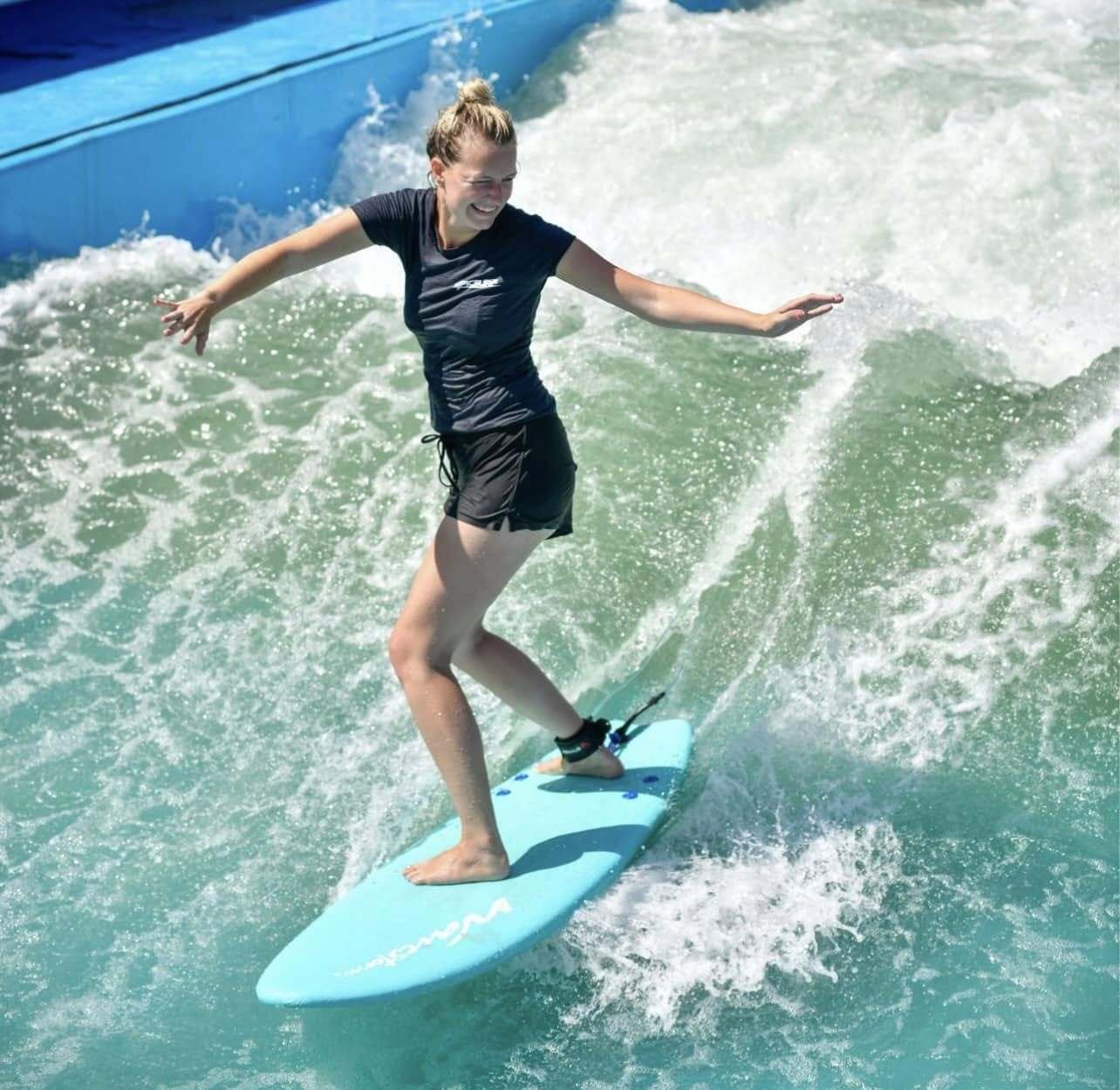
And along the way, you even learned how to surf. What was that like?
I did, and never in a million years did I think I’d be able to. I’m not the most coordinated person, and I definitely trip over my own feet sometimes. But ADG has been designing and building wave systems for more than 50 years. We worked with Tom Lochtefeld to help commercialize the FlowRider in the early 2000s and rolled out more than 130 FlowRiders across North America as the North American licensee, so making waves has always been part of our DNA.
As the surf industry continued to grow, we began discussing what the future could look like, especially in deep-water surf. That led us to develop a true deep-water standing wave with heights adjustable from 2 to 5 feet, real surfboards, and a design that dramatically accelerates the learning curve. To prove it out, we built a proof-of-concept right in our parking lot in New York and hosted events with surfers from all over the world. One of the most memorable moments was welcoming the ISA Senegal surf team as they traveled to Olympic qualifiers.
When they looked at me and said, “Julie, get on,” I had no choice but to try. I definitely fell, but I learned. What’s incredible about the system is that you start surfing standing up, accelerating off the training bar, which helps you quickly build those fundamental skills.
What impacted me most, though, was seeing how accessible the experience could be. Watching veterans with PTSD and a young woman with cerebral palsy get on the wave and say, “I never in a million years thought I could surf,” was incredibly powerful. That’s when it really clicked for me, this wasn’t just about surfing. It was about creating experiences that open doors for people who never thought they’d have the chance, and that’s something I’m truly passionate about.
What do you see as the future of ADG, and are there any upcoming developments you can share?
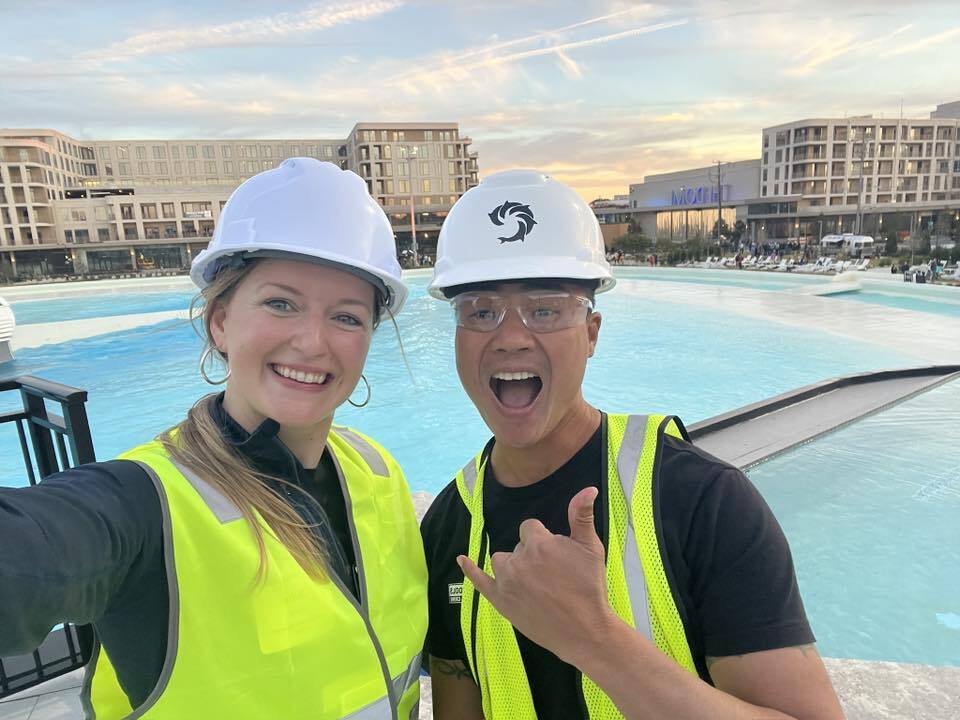
We’re currently building our first EpicSurf in Tampa, Florida, which is under construction now and scheduled to open this spring. It will be the largest deep-water standing wave on the East Coast and the second largest in the continental United States, so it’s an incredibly exciting milestone for us.
We also recently announced a partnership with Citywave USA, and we will serve as the exclusive manager of the product across North America. By combining their intellectual property with our manufacturing and build expertise, we see tremendous opportunity for continued growth. Over the next decade, we expect to see many more surf systems installed not only across the U.S. but globally.
Beyond surf, we’re also seeing momentum in skill-based and pay-to-play amenities, as well as lagoon and destination communities. These projects are reshaping how guests interact with water, and we’re excited to continue finding ways to bring meaningful value, innovation, and experience-driven design to each of them.
EpicSurf is an IBCCES Certified Autism Resource. Can you share what that certification means and why it’s important to your team?
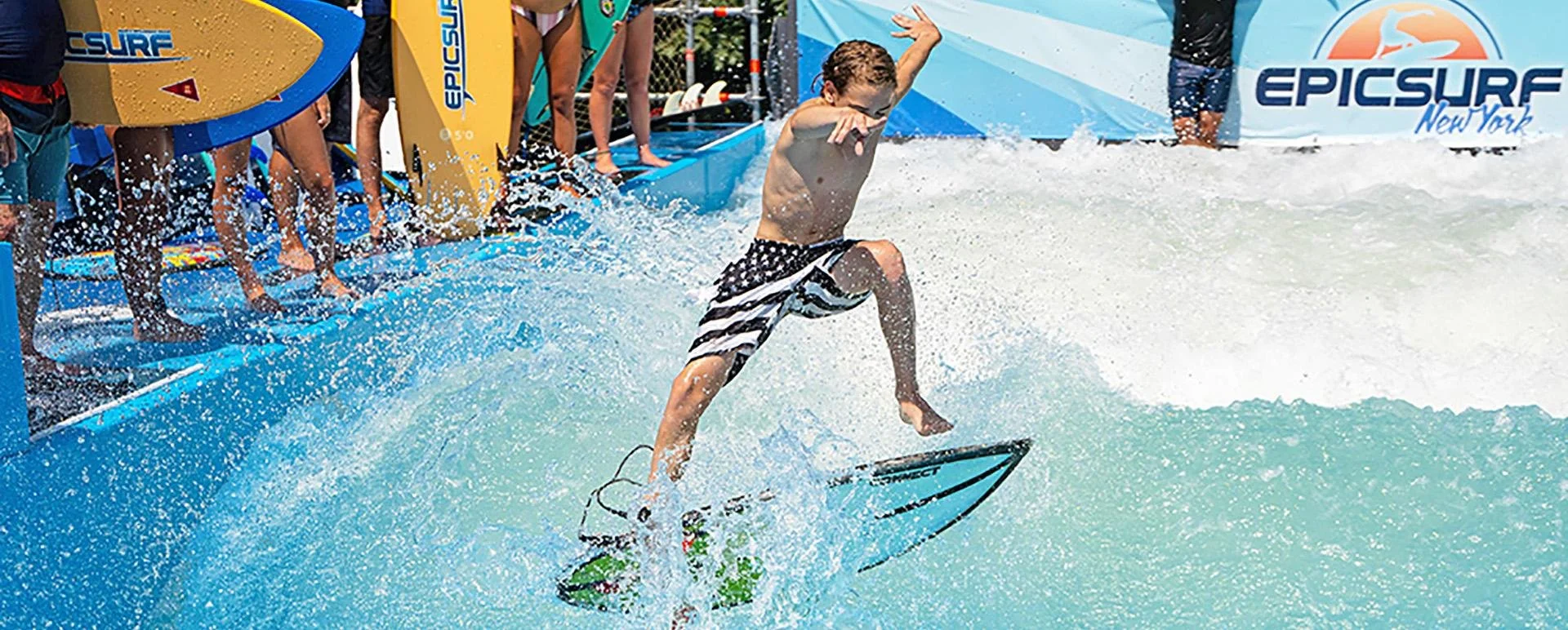
EpicSurf is currently the only standing wave to be Autism Certified by IBCCES, which we’re incredibly proud of. We also collaborated with Aqua Creek to create the world’s only standing wave lift system, allowing guests with more limited mobility to get onto the wave without washing out and to truly stay in the experience. That was a really important step for us.
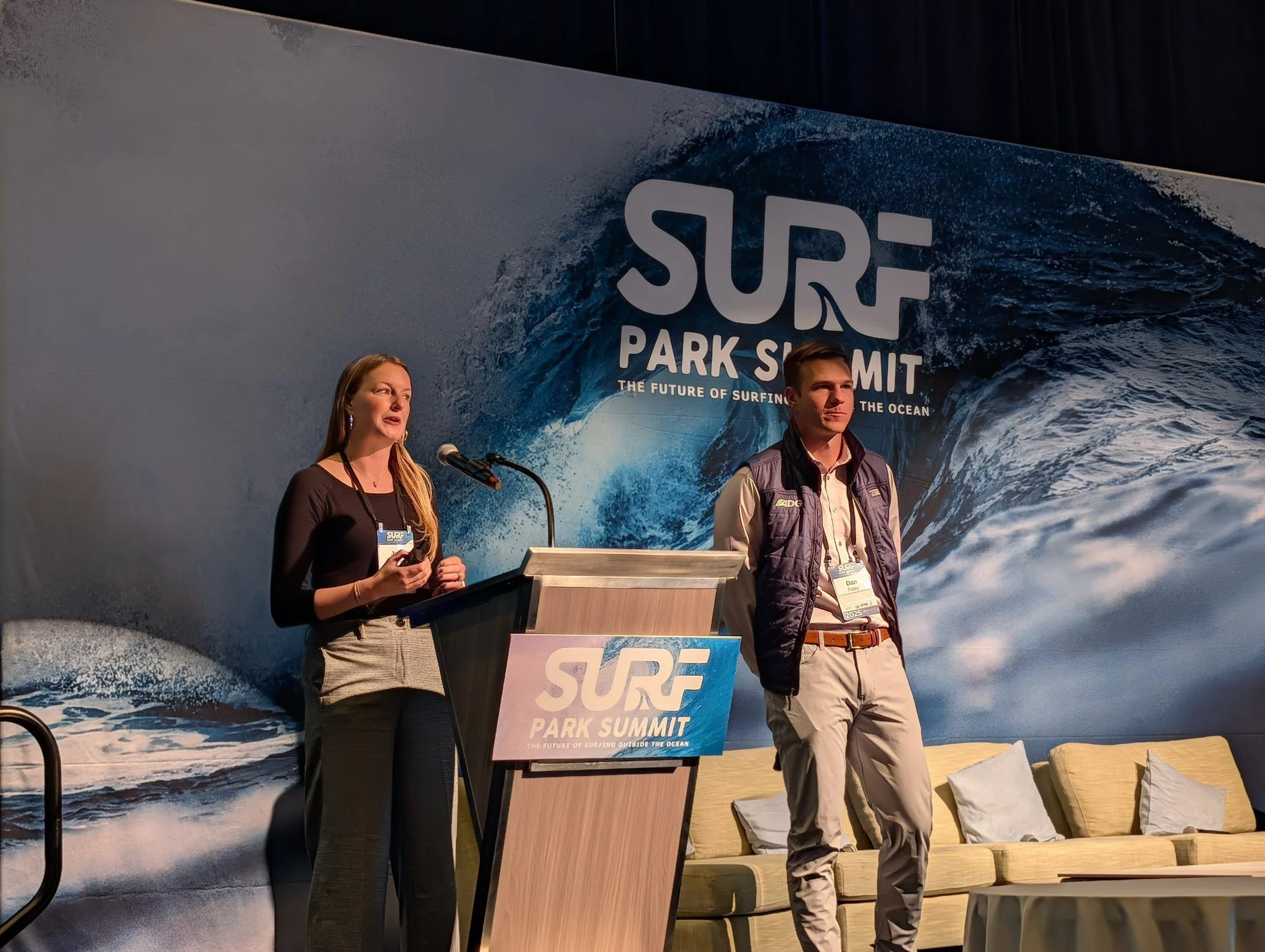
What I’m seeing more and more is that accessibility isn’t just showing up in products; it’s becoming part of the overall design conversation. I was recently at Surf Park Summit, and one quote really stuck with me:
”The difference between accessibility and inclusion is that inclusion is proactive, it’s about making sure everyone feels like they’re part of the same experience, not a separate one.” That really resonated with how we approach our work.
I think we’ll continue to see inclusion become more deeply integrated into design moving forward. And I also think there’s a huge opportunity for smaller parks to add amenities that drive real value. It doesn’t always have to be the biggest, tallest, or flashiest attraction; there are so many thoughtful ways parks can diversify their offerings and strengthen their bottom line without overextending.
What advice would you give to someone who’s interested in getting into the aquatics industry?
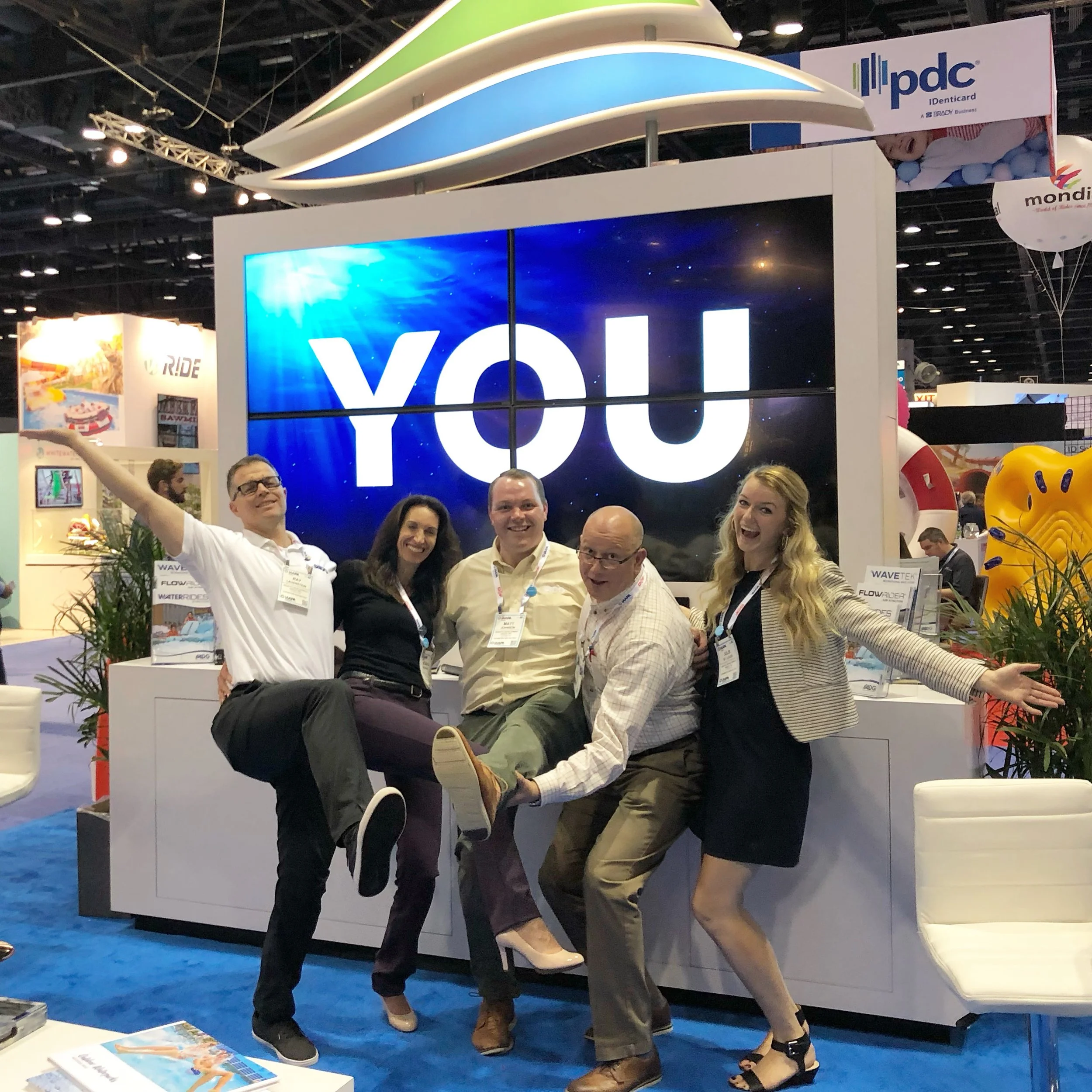
Go to conferences. They’re one of the best ways to meet people, build relationships, and put yourself out there. This industry is a great group, people are incredibly welcoming and genuinely willing to share what they know.
I’d also say to believe in yourself and keep showing up. Making the effort matters, and it’s important not to give up. Dream big and trust that there’s space here to grow.
Is there anything we didn’t touch on that you think is important to share?
One thing I’d add is that the U.S. waterpark market is very mature. There are many parks that have been around for 30 years or more, and while we’re not seeing as many brand-new parks open each year, there’s still so much opportunity within existing facilities.
Long-standing parks can take a fresh look at what they already have and find areas where renovations or smaller updates can make a meaningful difference, without expanding their footprint. It doesn’t have to be the largest CapEx project to have a real impact.
From your perspective, where should parks start when they’re looking to make meaningful updates?
Start with your furniture. It seems like a small detail, but it can make a huge difference. If you can’t add deck space, look at creative ways to rethink furniture to increase capacity. We actually worked with Telescope to design a custom chair for Soaky Mountain that allowed them to accommodate more guests. It doesn’t always have to be the traditional six-foot lounger, and that’s one of the easiest places to start.
Beyond that, parks can look at rebranding existing attractions or adding a simple technology or VR element to make something feel completely new. We’ve also worked on projects where an underperforming pool became an entirely different experience by reusing the existing filtration and footprint. At Kings Dominion, for example, we transformed an underutilized wave pool into a multi-level play structure with a kids wave pool deck, creating a completely new environment within the park.
There are so many ways to make impactful changes without expanding your footprint or breaking the bank. With so much focus on the “next big thing,” it’s just as important to look at our existing core market. There are a lot of waterparks that could benefit from thoughtful updates, even if they don’t have the budgets of some larger, headline-grabbing projects.
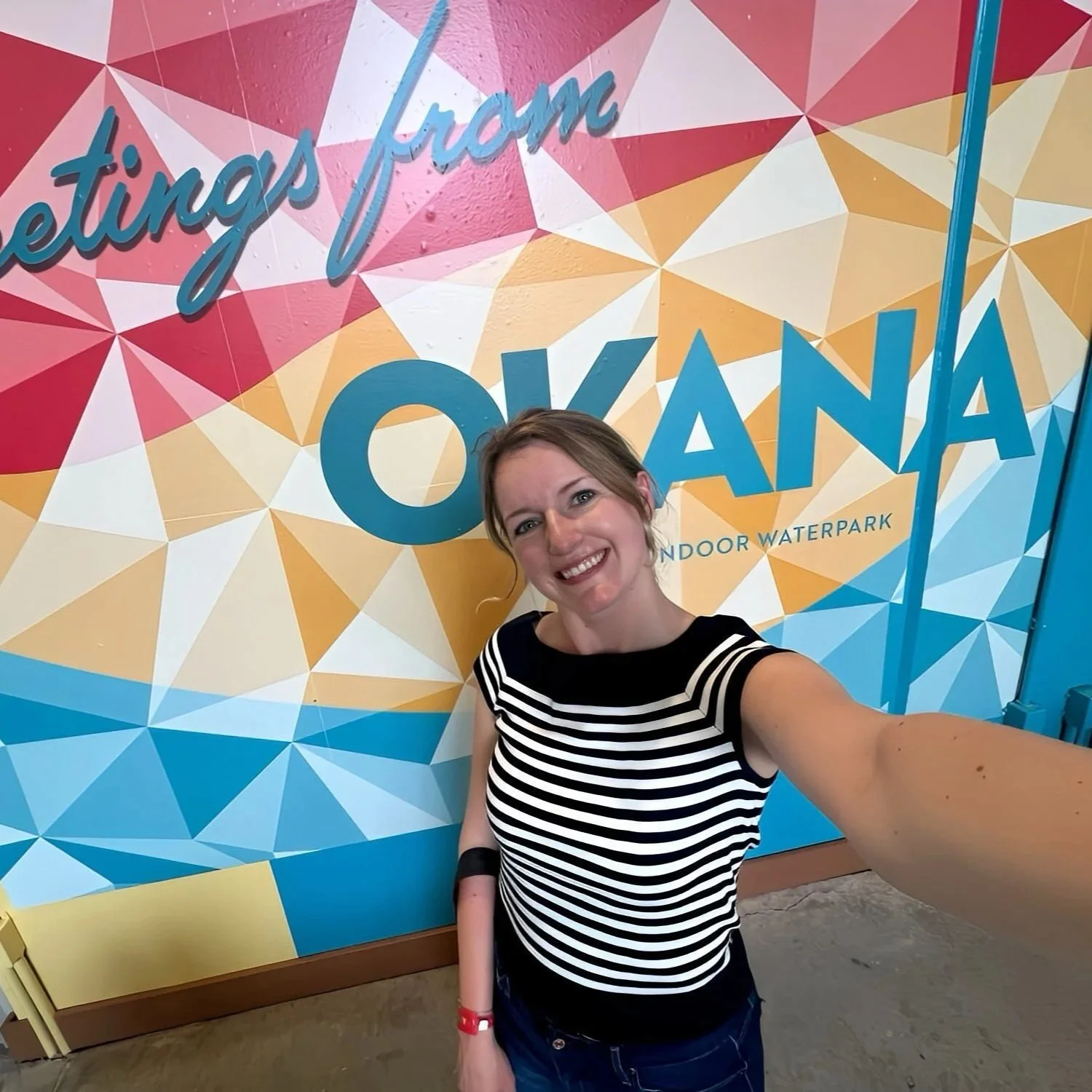
Julie’s journey is a reminder that the aquatics industry isn’t just shaped by innovation and scale, it’s shaped by people who lead with curiosity, confidence, and care. From dreaming big early on to helping create experiences that invite more people into the water, her perspective reflects a future rooted in thoughtful design, inclusion, and purpose. As aquatics continues to evolve, it’s stories like Julie’s that inspire us to look beyond what’s next and focus on creating spaces where everyone belongs.
Aquatic Development Group brings decades of experience across four core disciplines: planning, engineering, manufacturing, and construction. Their multidisciplinary design team includes architects, landscape architects, planners, and engineers who collaborate to create innovative aquatic venues that balance guest experience, operational efficiency, and long-term value.