
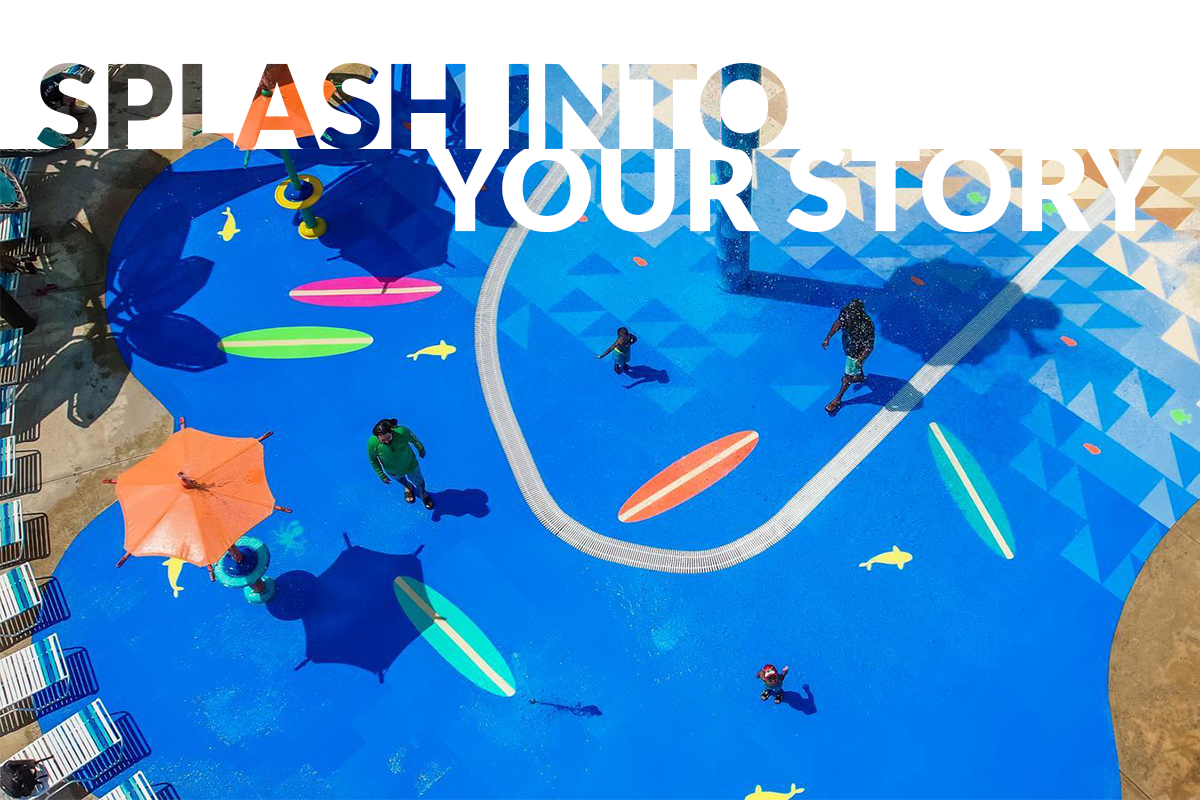
At Life Floor, we believe that creating spaces where everyone feels welcome starts from the ground up. Through our partnership with IBCCES, we've had the opportunity to deepen our commitment to accessibility and inclusivity, earn the designation as a Certified Autism Resource, continue learning from leaders in the field, and provide accessible, sensory-friendly flooring that supports guests of all abilities.
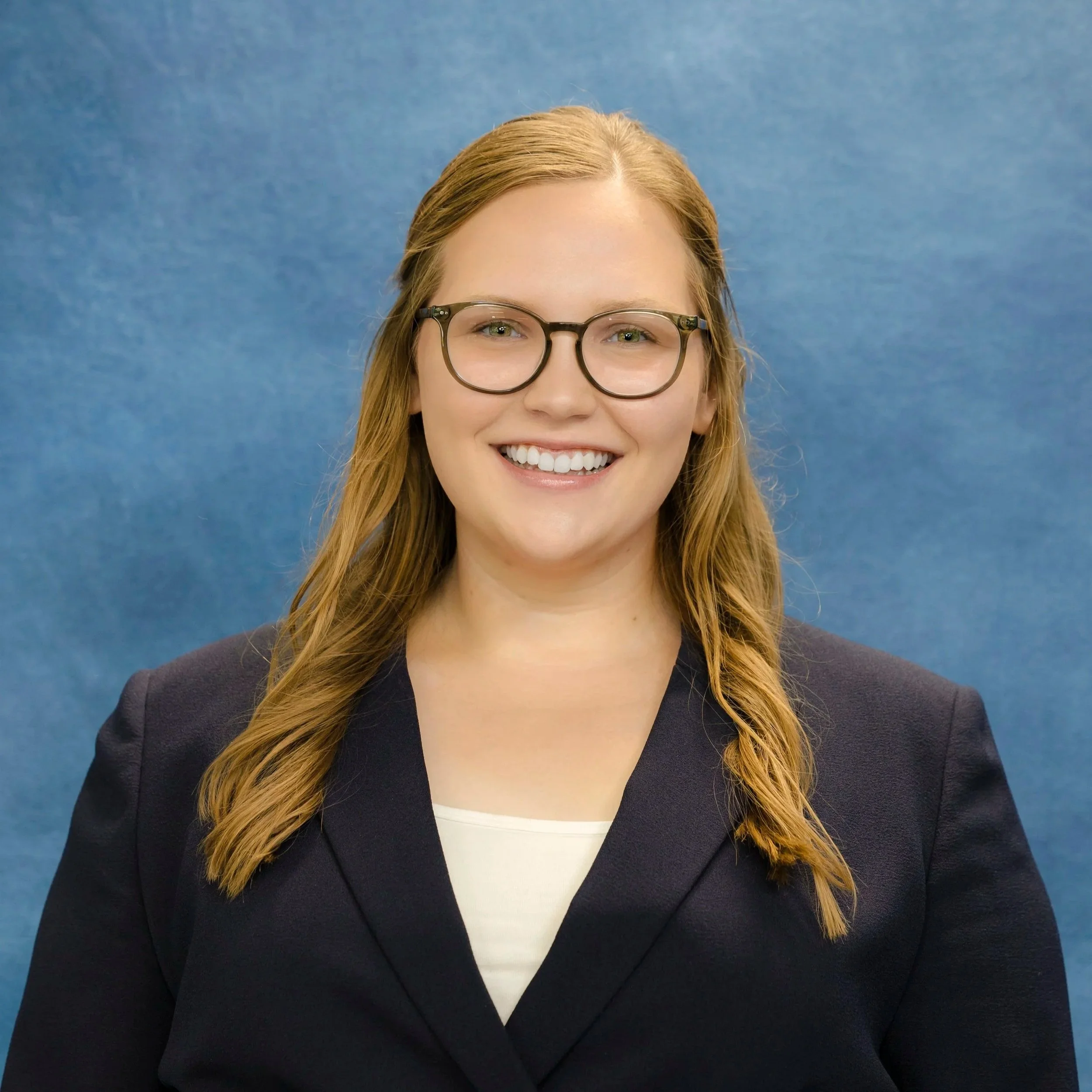
In this edition of Splash Into Your Story, we sit down with Sydney Pedersen, Partner Communications Manager at IBCCES, whose passion for inclusive experiences is rooted in empathy, advocacy, and real-world impact. From shaping how organizations approach accessibility to inspiring a more thoughtful, sustainable future, Sydney shares what drives her work and why designing for everyone ultimately benefits us all.
How Empathy Drives Inclusive Space Design
What inspires you in your day-to-day life?
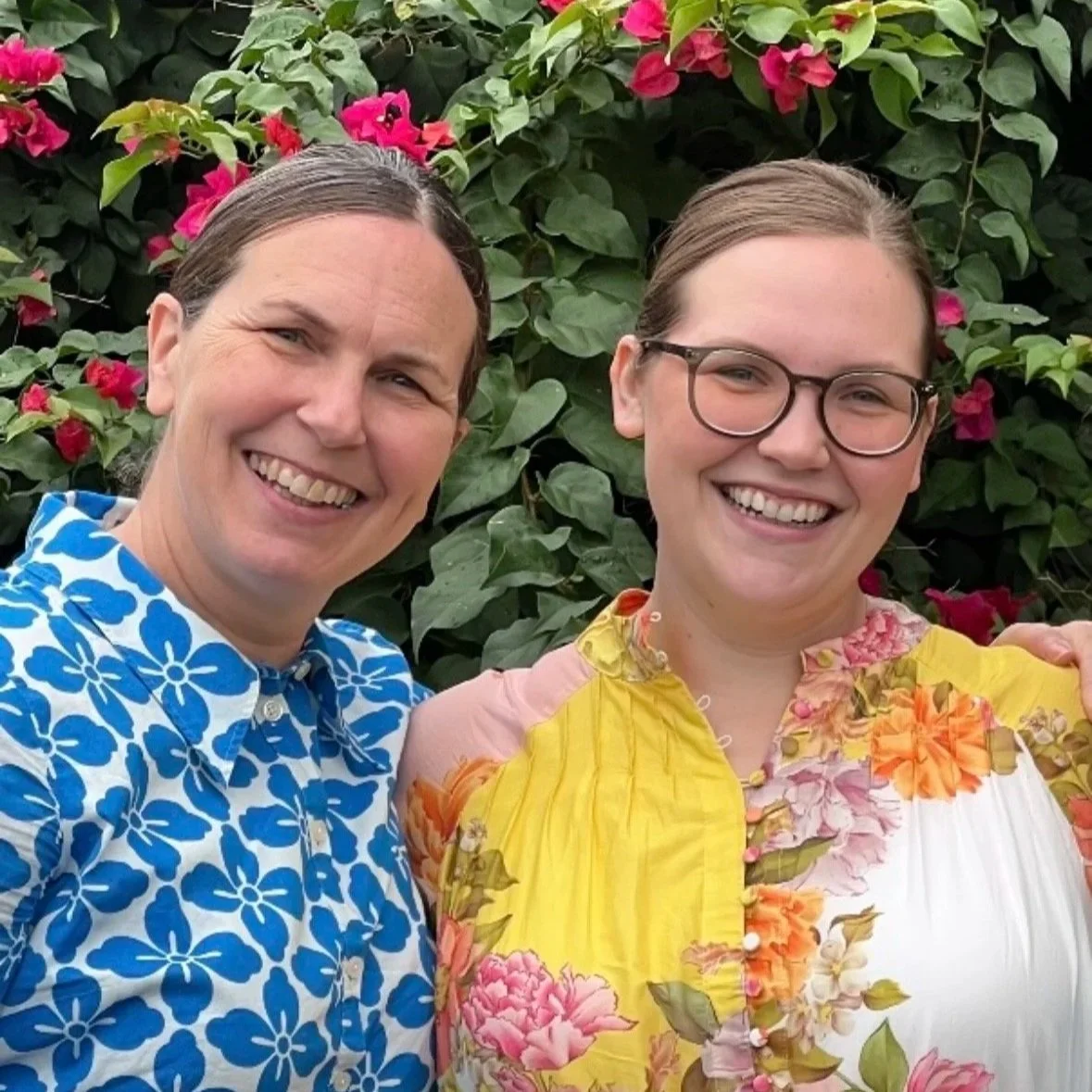
My mom has always been my biggest inspiration. She was the first person in her family to go to college and became a doctor because she wanted to help people. Growing up, I watched her go above and beyond for her patients, driving them to appointments, helping provide essentials, and always making sure they felt cared for.
That example shaped how I see the world. It instilled in me a deep belief that everyone deserves to feel welcome, supported, and valued in every space they enter.
Bridging the gap between autism-friendly design and real-world impact
Is there a recent project that you’re especially passionate about?
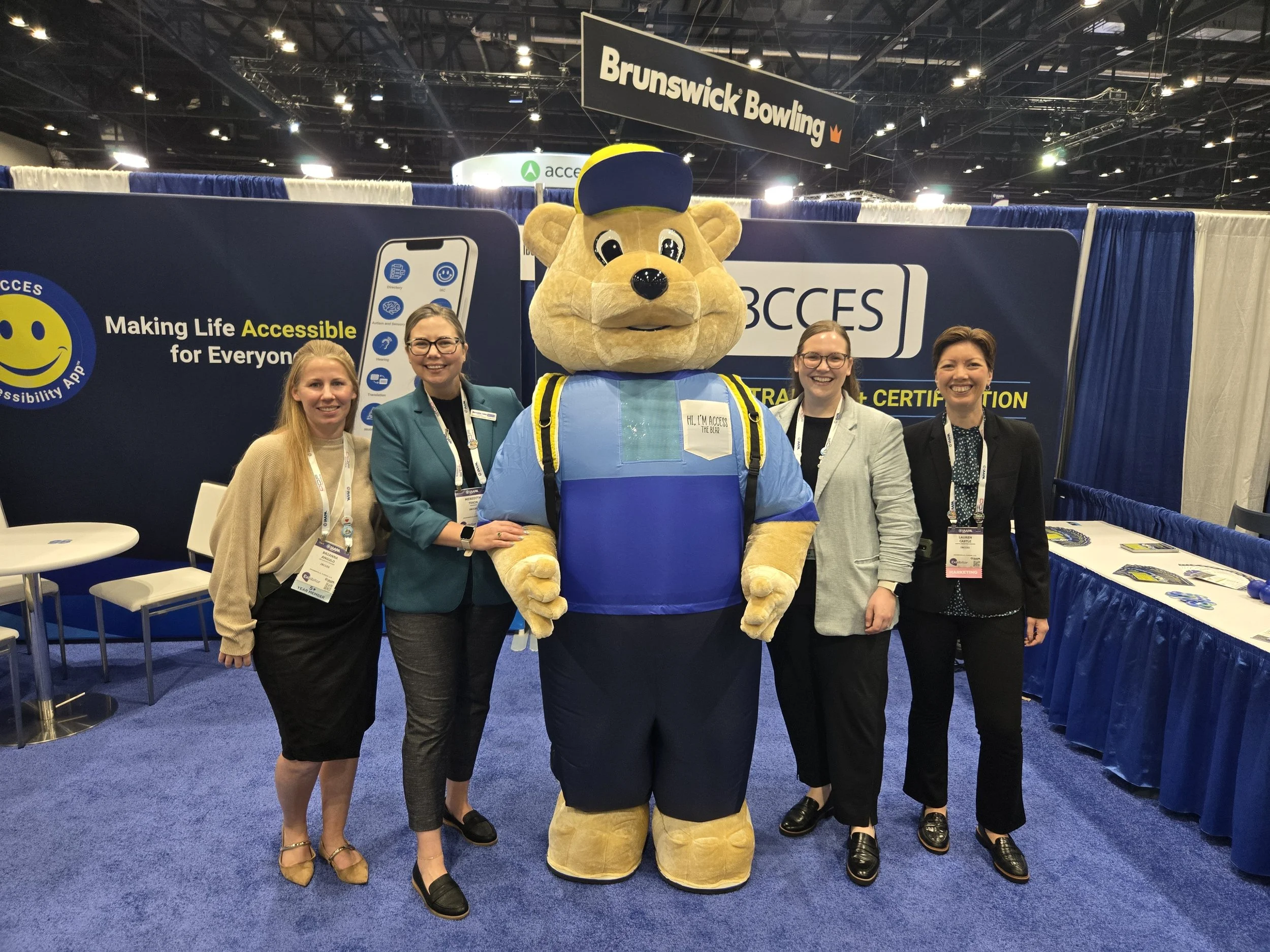
I'm incredibly passionate about our Certified Autism Resource program. Being part of those conversations and seeing the range of products and solutions available is so inspiring. There are so many innovations, like Life Floor (inclusive wet-area flooring and accessible surface solutions), that people don't know exist, yet they can make a meaningful difference in someone's quality of life.
What excites me most is helping connect people to those solutions. I often hear, "I wish something like this existed," and I get to say, "It does." There's a powerful sense of collaboration across industries, all working toward the same goal, creating better, more inclusive experiences for everyone.
Universal design isn’t a nice-to-have; it’s a competitive advantage
You’ve mentioned accessibility as a form of sustainability. What does that mean?
For a long time, accessibility has been treated as a "nice to have" or a box to check; something addressed only when ADA compliance set the minimum standard. But compliance is a floor, not a ceiling. When you think about long-term value, accessibility is so much more than that.
If even one family member can't be accommodated, the entire group may choose not to visit or leave early. Inclusive facility planning removes that barrier entirely. When you design with accessibility in mind, you're not just supporting individuals, you're welcoming entire communities.
It's also about social sustainability, building environments where everyone feels included. That's the promise of universal design: spaces that work for all people, not as an afterthought, but from the very beginning. And that commitment translates to stronger customer loyalty, better brand reputation, and more efficient operations. Accessibility isn't an add-on; it's an investment in people, your business, and your future.
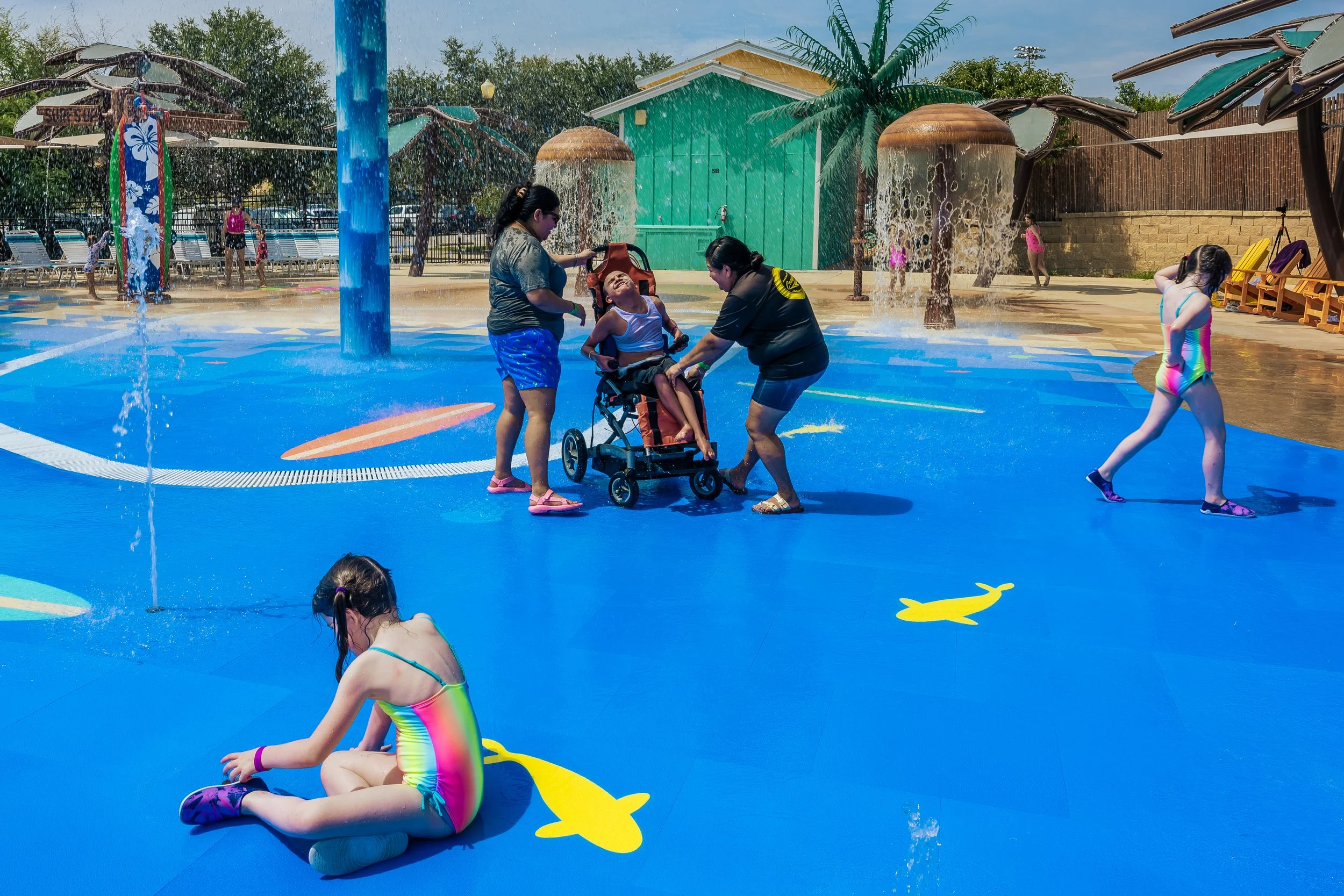
Morgan's Inspiration Island: Will's Hang 10 Harbor
Practical steps for creating ADA-compliant, inclusive guest experiences
What advice would you give to facilities looking to improve accessibility?
Start with your people. Training staff to understand and support guests with diverse needs is one of the most impactful steps you can take. We've seen organizations experience increased employee confidence, improved guest satisfaction, and stronger overall engagement through education alone.
Beyond that, simple changes can make a big difference. Clear pre-arrival communication, letting guests know what to expect, can ease anxiety and help families plan successful visits. For many individuals, especially those who are neurodivergent, predictability is key.
And when it comes to design, think inclusively from the start. There's a great analogy: instead of shoveling both the stairs and the ramp, shovel the ramp, because it works for everyone. When you design spaces that accommodate all guests, no one feels singled out, and everyone benefits.
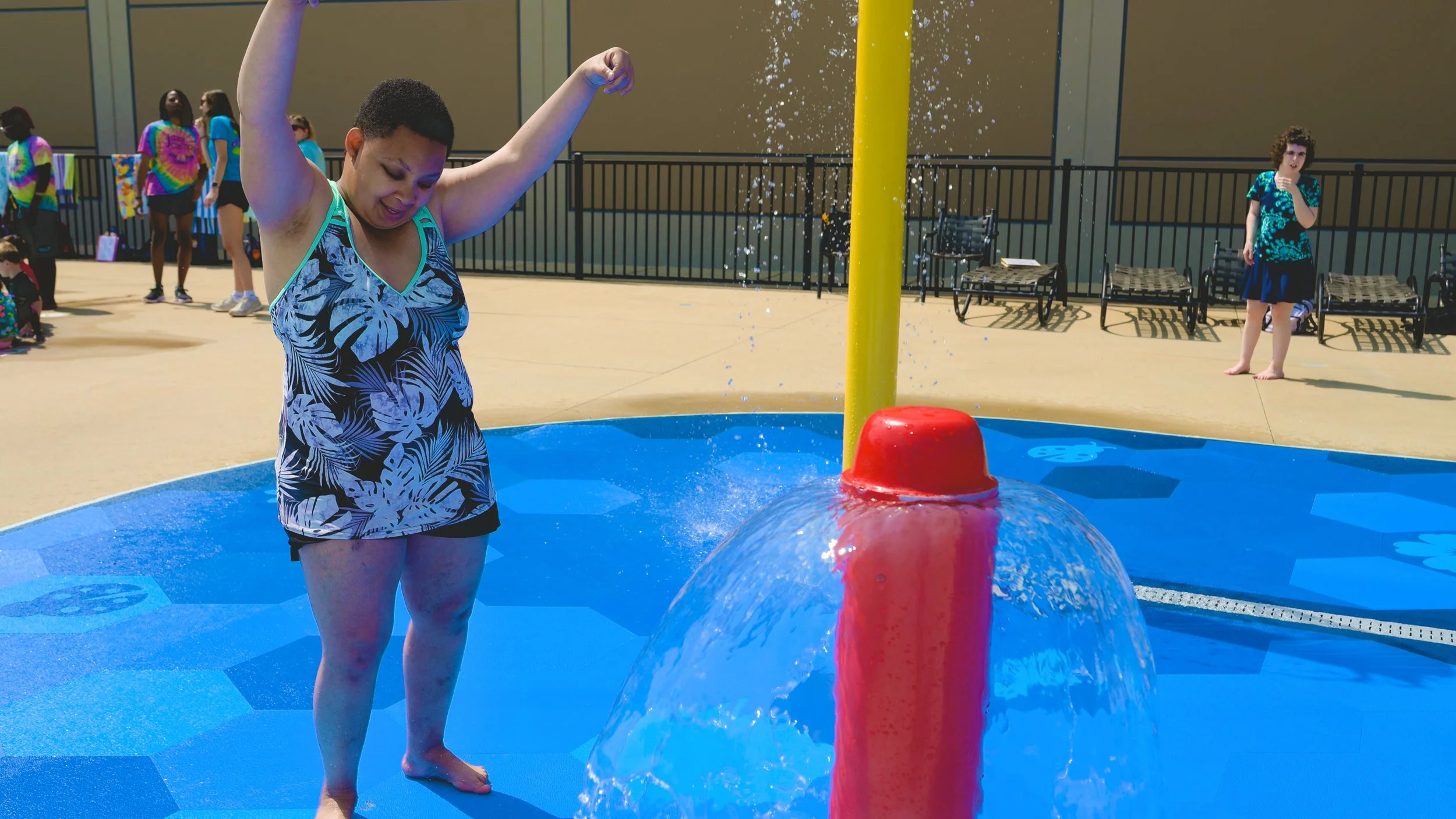
JCC St. Louis | Staenberg Family Complex
Serving guests with invisible disabilities through thoughtful, sensory-inclusive design
What are some overlooked opportunities to make a meaningful impact?
Some of the most impactful changes are also the simplest. Offering flexible food options, allowing guests to bring their own items, or clearly communicating available accommodations can transform someone's entire experience.
Many invisible disabilities aren't immediately apparent. Small moments, like an employee showing empathy during a difficult situation, can create lifelong loyalty. I've heard stories where a single compassionate interaction turned a challenging day into a positive, memorable experience.
These moments reinforce that accessibility isn't just about compliance; it's about care, understanding, and making people feel like they belong.
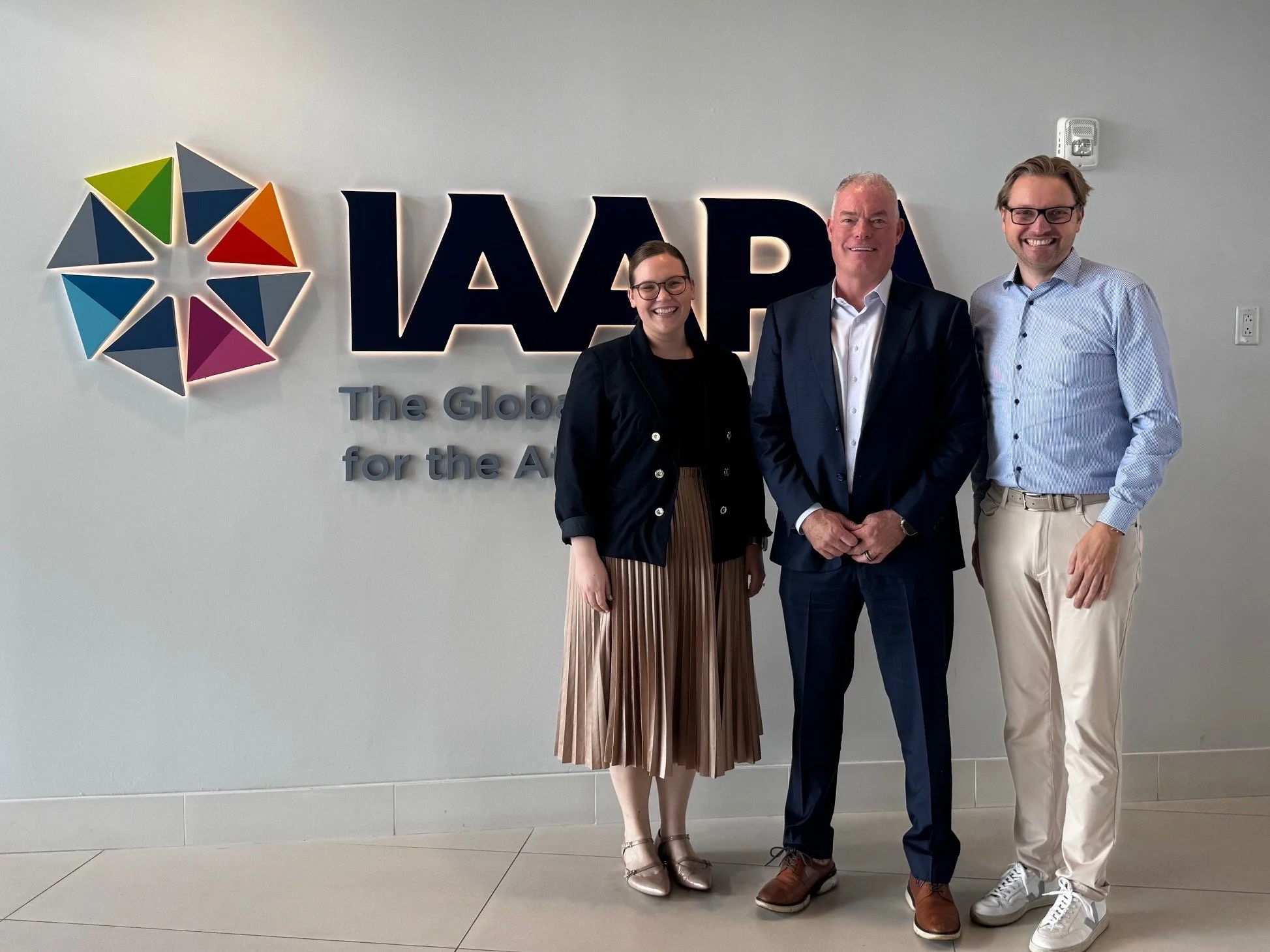
Inclusive Aquatic Design: Life Floor's Commitment to Accessibility
Sydney's perspective is a powerful reminder that accessibility is not a checkbox; it's a mindset. When we design, communicate, and operate with inclusivity at the forefront, we create sensory-friendly spaces where everyone can participate, explore, and belong.
At Life Floor, our collaboration with IBCCES continues to shape how we approach inclusive aquatic environments, design, innovation, and impact. Together, we're working toward a future where accessibility is seamlessly integrated into every space, because when you design for everyone, everyone wins.
IBCCES is the global leader in autism, neurodiversity, and accessibility training and certification. For 25 years, IBCCES has helped professionals, destinations, and organizations create more welcoming experiences for autistic and sensory-sensitive individuals.
Through programs like Certified Autism Destination™ and Autism Certified City™, IBCCES partners with communities, hospitality, recreation, entertainment, public safety, education, healthcare, and workplace sectors to expand accessibility on a broader scale. IBCCES also offers free public resources, including the Accessibility App, AutismTravel.com, and AccessibilityCertified.com, to help individuals and families find certified locations and accessible experiences.