
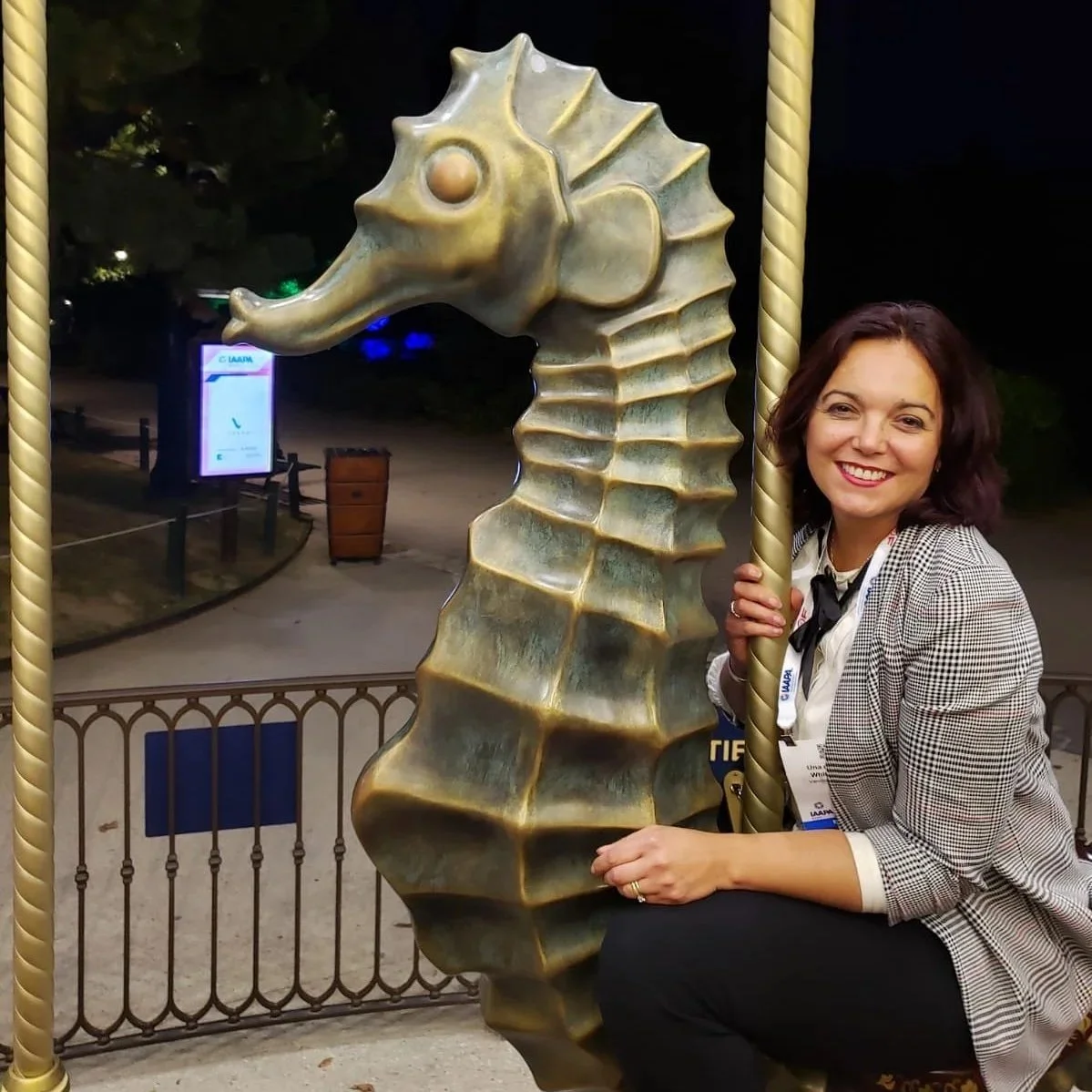
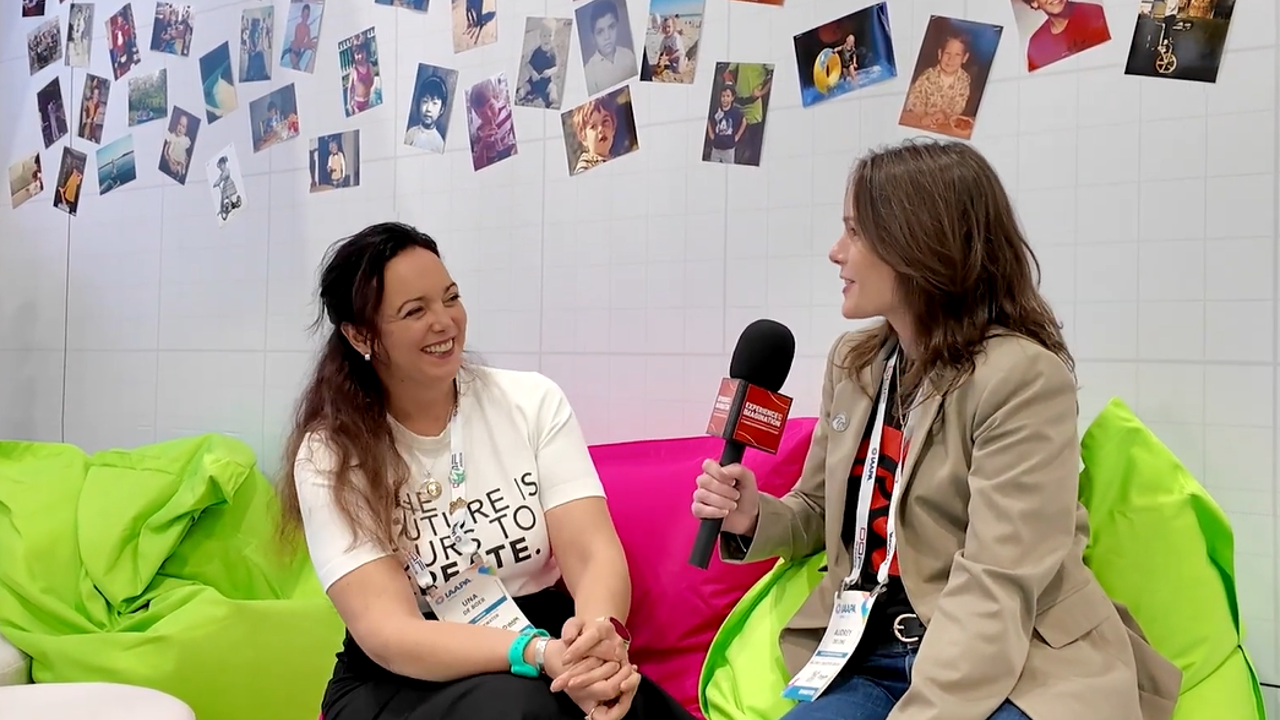
Featuring Una de Boer, Chief Marketing Officer at Enchanted Parks and previously WhiteWater.
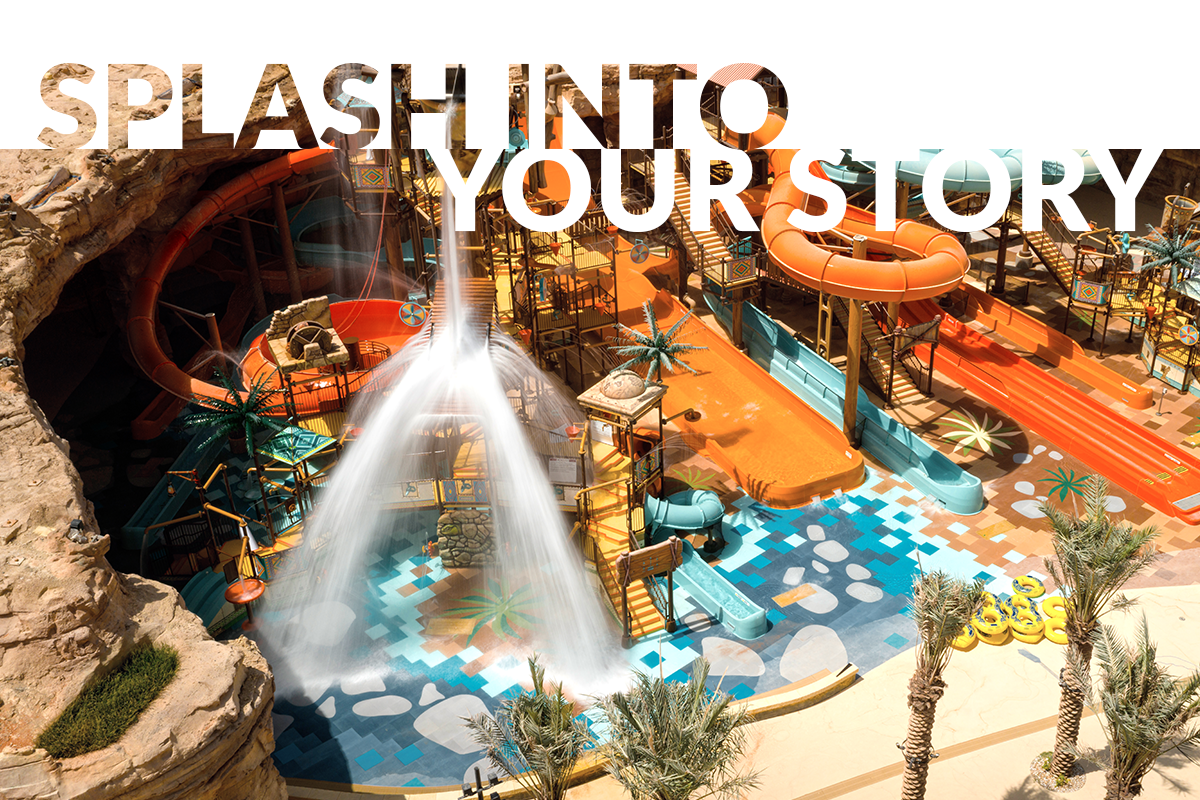
At Life Floor, we believe every aquatic space has a story to tell. From the first concept to the final guest experience, the best aquatic environments are built through collaboration, imagination, safety, and thoughtful design. That is why our work with WhiteWater West continues to be such an important part of our story.
As one of Life Floor's Distribution Partners, WhiteWater recognizes the need for safety surfacing in aquatics and helps ensure Life Floor is available to people worldwide. Through this partnership, we are able to support aquatic facilities in creating safer, more beautiful, and more engaging environments for guests of all ages and abilities.
Through projects around the world, WhiteWater and Life Floor have worked together to help bring aquatic spaces to life in ways that are functional, memorable, and meaningful for guests.
For this edition of Splash Into Your Story, we spoke with Una de Boer, Chief Marketing Officer at WhiteWater West, just before she departed to start her new role as CMO of the newest brand of US parks, Enchanted Parks. We tell of her unexpected path into the attractions industry, the role of storytelling in waterpark marketing, the importance of brand over product alone, and why creating spaces for women in the industry matters.
Building a Career in International B2B Marketing
What brought you to WhiteWater West?
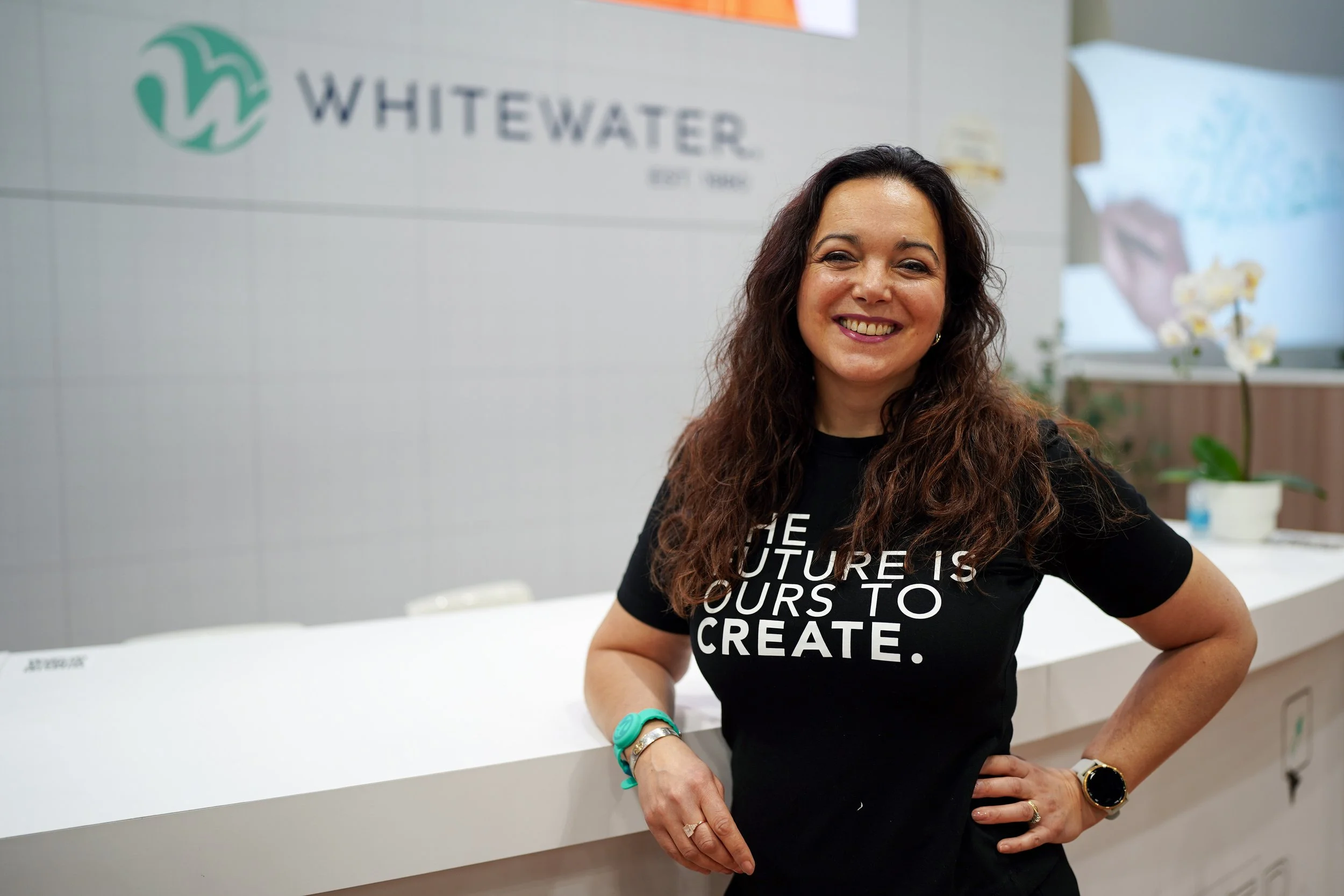
I built my career in international B2B marketing. I have marketed everything from postal services to legal services, hygiene products and services, and tech products - building automation systems and software-as-a-service energy management platforms. They were all businesses selling to other businesses. My role is to explain their value proposition to different cultures and market segments. I often describe my first degree in English Literature as time spent trying to figure out what I wanted to do in life, but maybe the real value was learning narrative structure and what makes writing compelling, which led me into Marketing and communications.
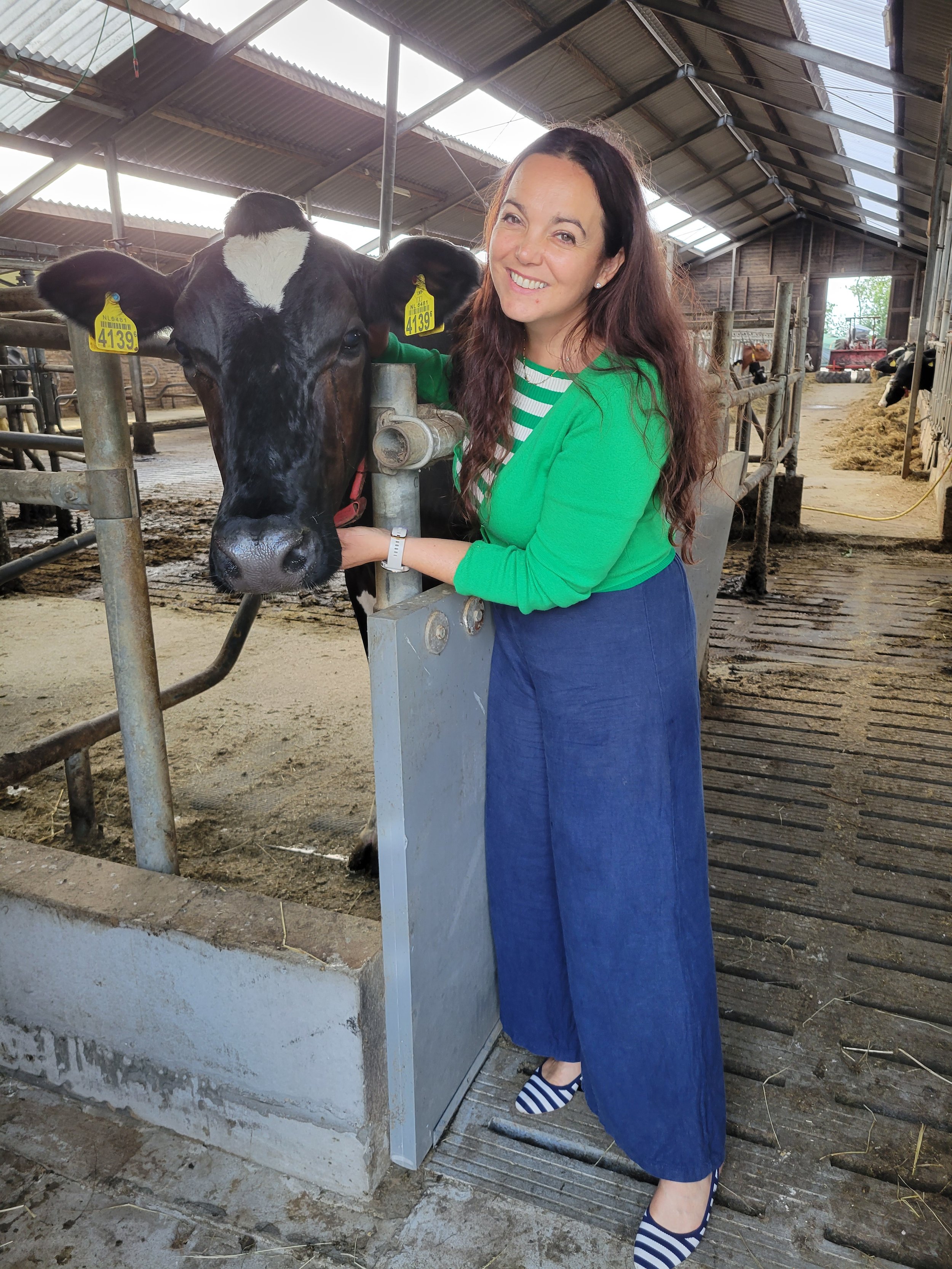
Moving to Canada meant I had to rebuild my career. I had been doing well in London, working for a large publicly traded company, but Vancouver was different. It’s a beautiful city, and I love living here, but it is not necessarily where many headquarters-type companies are based. I saw an advertisement from a water slide company seeking someone with international business experience. It was a global B2B company; I applied and joined WhiteWater in 2015.
I knew nothing about water slides. I knew nothing about the attractions industry. But for me, business problems are both different and the same. What is the problem you are solving for the buyer? Nobody buys anything by accident. What do they need? How do we fit that need? How do we communicate the gap between what we have to sell and what they need?
I came into WhiteWater with a completely different perspective, having never worked in the industry. In some ways, the attractions industry can be traditional because many people have spent their entire careers in it. There can be a sense of, "This is how we do this. This is how we speak." But that does not always mean it is the easiest way to understand if you are a new buyer, so my perspective was helpful.
Paul Chutter hired me because he also came from outside the industry, from investment banking, and he recognized that WhiteWater's marketing could be brought more up to date. WhiteWater has trusted me to be the expert and to challenge the status quo. That has allowed me to shape how we share the narrative, present WhiteWater, and build brands like Endless Surf that speak to specific audiences.
That is something I am really proud of as I leave WhiteWater: the strong brands I've built. The marketing for Endless Surf is not the same as that for WhiteWater, nor is it the same as that for Vantage. They are different products speaking to different audiences, and I think that is a testament to good marketing. It should be different for different people and right for different brands.
Why Storytelling Matters in Waterpark Marketing
What do you love most about marketing in the attractions industry?
I really love my profession because it combines three things I find incredibly interesting.
The first is story and narrative. As humans, we are innately drawn to stories. I think that is part of why attractions are so appealing to people. You become immersed in a story or a narrative, and that speaks to us.
The second is psychology. Human beings are intrinsically social creatures. There is so much to understand about why people make decisions the way they do, how we process information, and what influences us.
The third is economics. After earning my master's degree, I found I was really interested in economics. Economics is everything. It is how we make decisions, how our economy runs, and why businesses succeed or struggle.
Marketing combines elements of all of those things. Behavioral economics, in particular, is really what marketing is: the connection between business decision-making, human behavior, and story. It is the ability to say, "I understand why your business needs this. I understand how you are making decisions as a decision-maker. Now I am going to give you the narrative that helps you understand the impact it will have on your business."
That may sound theoretical, and I do enjoy the conceptual side of what we do, but making it work in practice is often about simplifying, not complicating. The content that wins is easy to absorb, evokes emotion, and conveys ideas quickly and concisely. AI might seem to make marketing easier, but the gap between good marketing, which is grounded in buyer understanding, will grow as buyers are swamped in the noise of AI content with little relevance.
Brand Storytelling for Waterparks, Attractions, and Aquatic Design
Throughout your time at WhiteWater, has there been a project or campaign that stood out for its strong narrative?
As an industry, we tend to lean heavily toward product marketing rather than the "why" behind a company. Often, the focus is on what a company can sell. But when someone tells you they are a lawyer or a doctor, you ask what type they are. Marketing is similar. There are many disciplines within it, and product marketing is just one.
WhiteWater is in a different position because we have so many products. If we only talked about products, people would be overwhelmed. It would become a confusing mess. So I have to put that into a wrapper that helps people understand what we have for them in a way they can absorb.
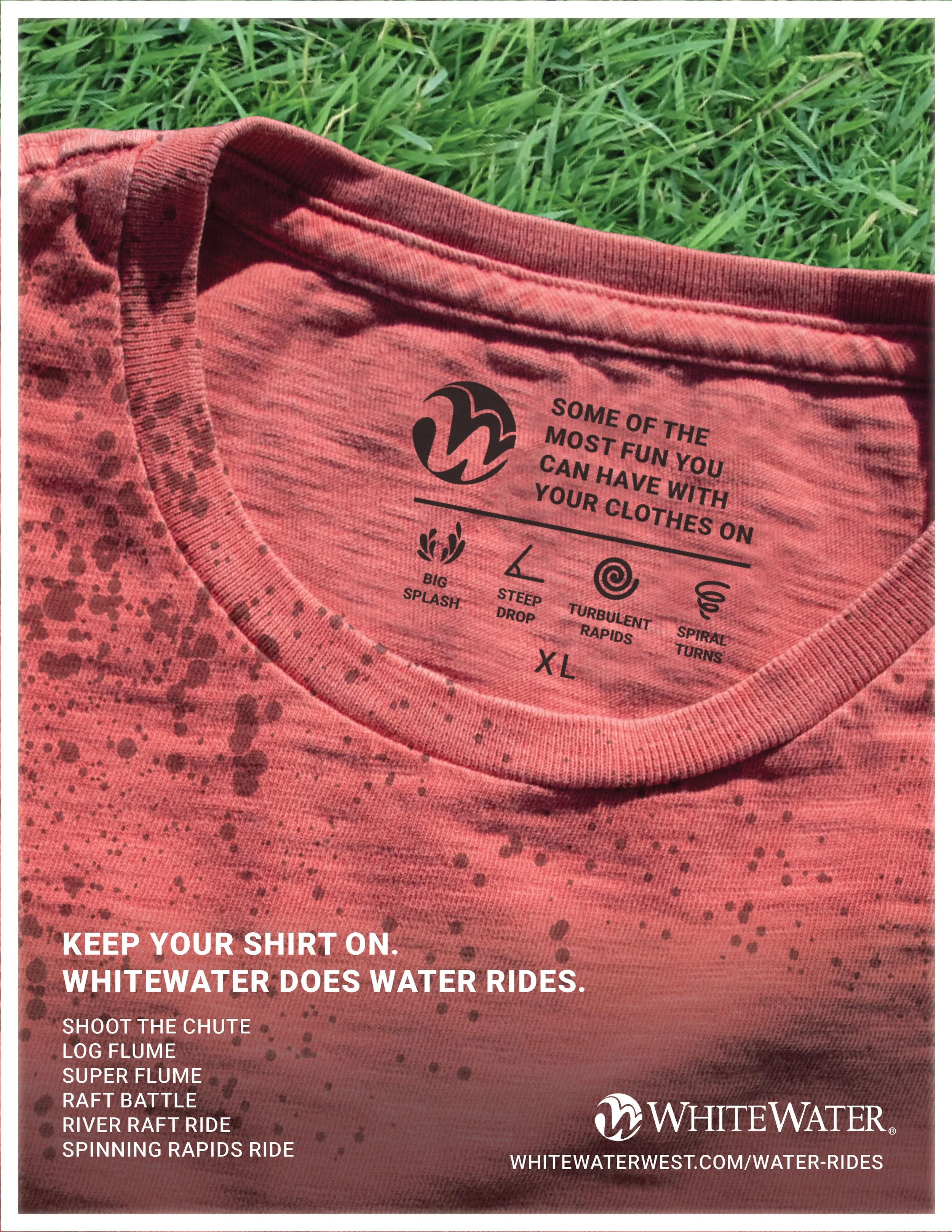
That means expressing WhiteWater as a brand. WhiteWater has solutions for you and your business. I have taken the conversation from the product level to the brand level because of the breadth of our portfolio and because we do different things for different people.
Another important piece is understanding that most buyers are not in a buying cycle at any given moment. I need people to be interested in and aware of WhiteWater before they are ready to buy. If all your content does is tell people what you can sell them, and they are not ready to buy, they will likely ignore it.
To be engaging across the buyer lifecycle, your content should be about who you are, how your expertise adds value, and the topics that affect your customers' businesses. If people see you as someone with interesting perspectives, someone who helps educate or entertain them, then they will remember you when they are ready to buy.
I sometimes compare social media content to dietary guidelines. You need fiber, carbs, and protein, but you do not eat a whole plate of protein. You need balance. Your social media strategy should also have a balanced diet of different types of content that engages people throughout the buying cycle.
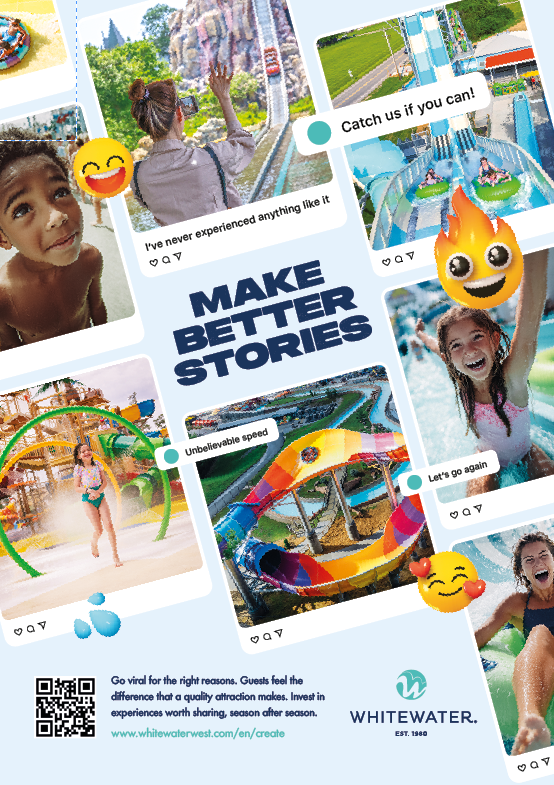
One of our recent campaigns focused on Instagrammable moments because we know parks understand the value of user-generated content. Guests help promote parks by sharing their experiences, videos, and photos. So the question becomes: how do your attractions support that?
When you buy an attraction, you are not just buying a ride. You are buying a vehicle for marketing. You are buying an experience that helps express your brand and gives guests something they want to share.
One of the boldest campaigns we ran featured no product photos on the trade show booths at all. The ads were blank and said, "This page is blank because we can make what you imagine." It was a bold take on creativity and a way to say that, through WhiteWater's engineers and designers, we can custom-create what clients need.
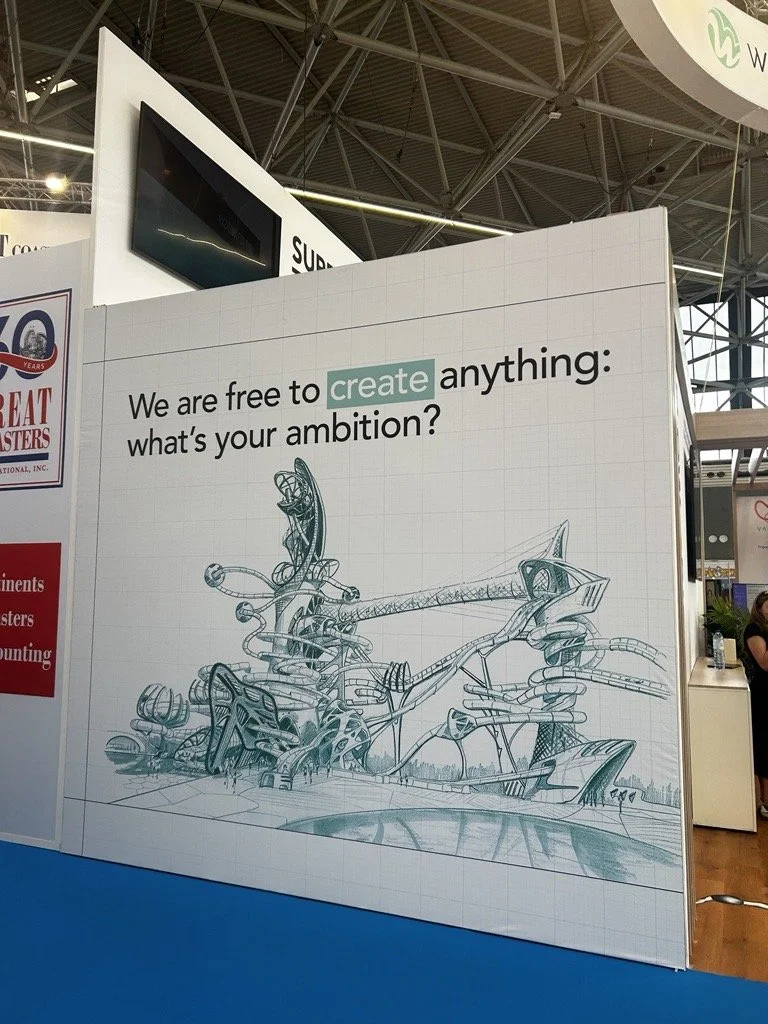
Some people criticized it, saying the marketing was too sophisticated and that buyers want to see the product. That may be true for some buyers, but I think the WhiteWater buyer is sophisticated. They understand that they want a ride or attraction that differentiates them.
As a marketer, you have to be brave and know your target audience. WhiteWater buyers want the highest quality; they want a custom ride to differentiate their park. You are not speaking to everybody, so you need to be okay with the fact that not everyone is going to get it because not everyone is in my buying group.
Marketing should be both a voice and a mirror. Brands must deliver on their promise. If people are not experiencing the thing we are saying, it all breaks down. Thankfully, I know from our NPS scores that WhiteWater customers recommend us, so we do deliver!
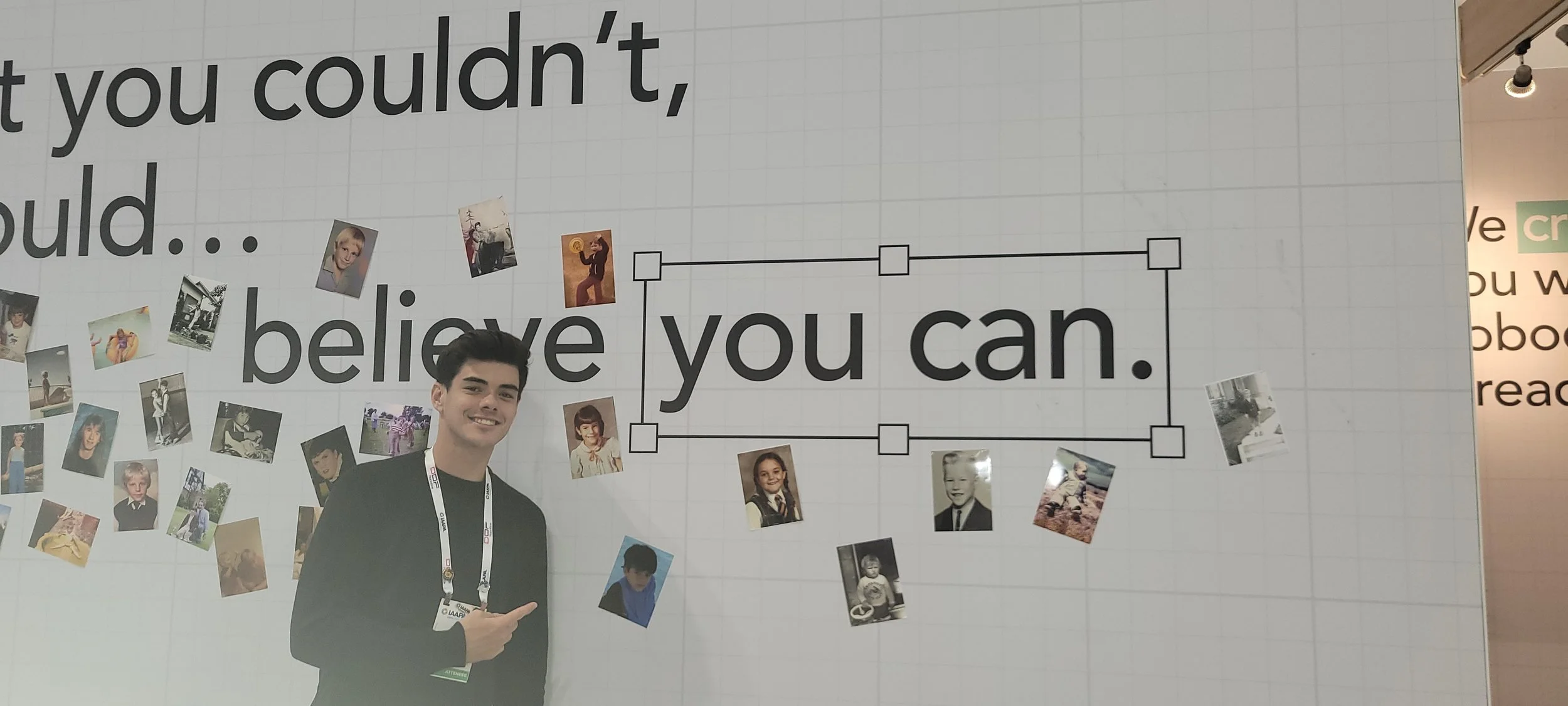
Supporting Women in the Attractions and Aquatics Industry
Your work to uplift other women in the industry does not go unnoticed. What motivated you to get more involved?
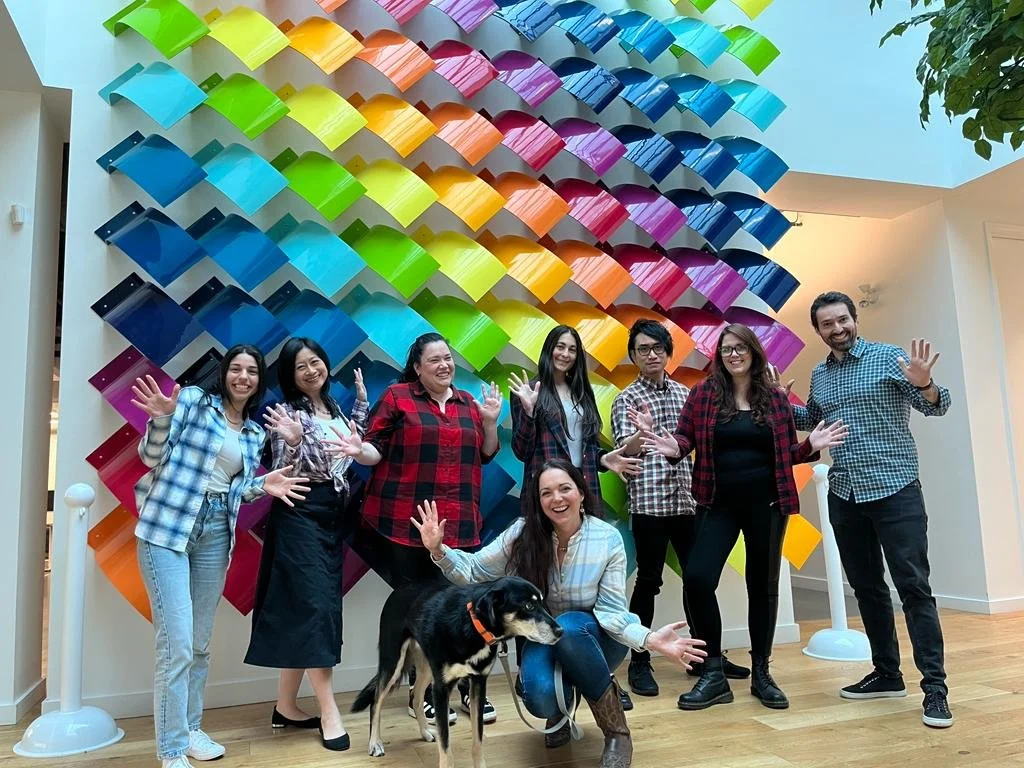
Equity is a really important value to me. I have two daughters, and as a woman in business, I know I have had to work harder. There are structural reasons in society that make that the case, and society often makes it harder for women to talk about themselves and promote themselves. That means we can be less visible, and one way to fix that is to talk about each other; it cannot solve all of them. But I can create an environment where we showcase and celebrate the talents women have.
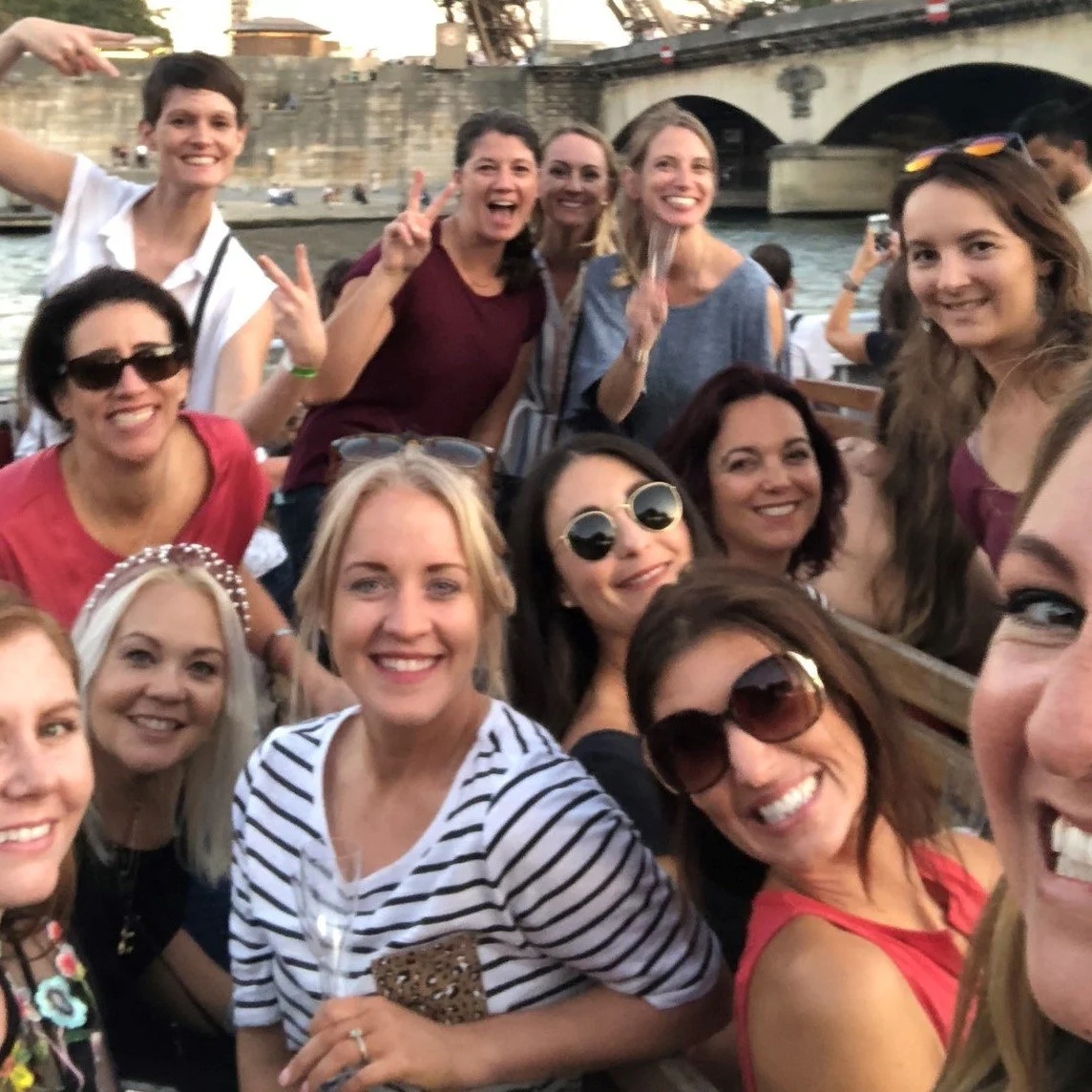
Networks are so valuable, but women are often too busy wearing multiple hats to focus on building them. I also think that society makes it harder for women to talk about themselves and promote themselves isn't ‘modest’. That means we can be less visible, and one way to fix that is to talk about each other. The work I do to create spaces for women in the industry is really about helping women recognize, celebrate, meet, and build stronger professional networks. Those are practical ways to help address some of the inequity at leadership levels. I want to see more women at the top tables. I want it to be easier for my daughters to be taken seriously and to climb than it was for me.
When I was brand new to this industry, I knew no one, and I’d see the same women at tradeshows setting up their booths, just like it was. I recognized the same faces, but I did not know how to say hello because we were not connected, and sometimes they were competitors.
I remember thinking how ridiculous that was. I was new and trying to figure out who people were and how the industry worked. So I started introducing myself and suggested we all go out for a drink.
That started around 2017 - I sent an email to everyone I recognized and knew would be at the show. The first gathering had about 20 people, then 30, then 50. It kept growing. No one sponsored it. It was not a WhiteWater thing; it was just women showing each other some solidarity.
Then Covid happened, and it stopped. After trade shows started coming back, someone asked if I was going to do it again. Mara Rodriguez, Susan Story, and Emily Popovich encouraged me and offered their help, so we became MUSE. With their support and enthusiasm, we had 350 women show up in Orlando in 2025.
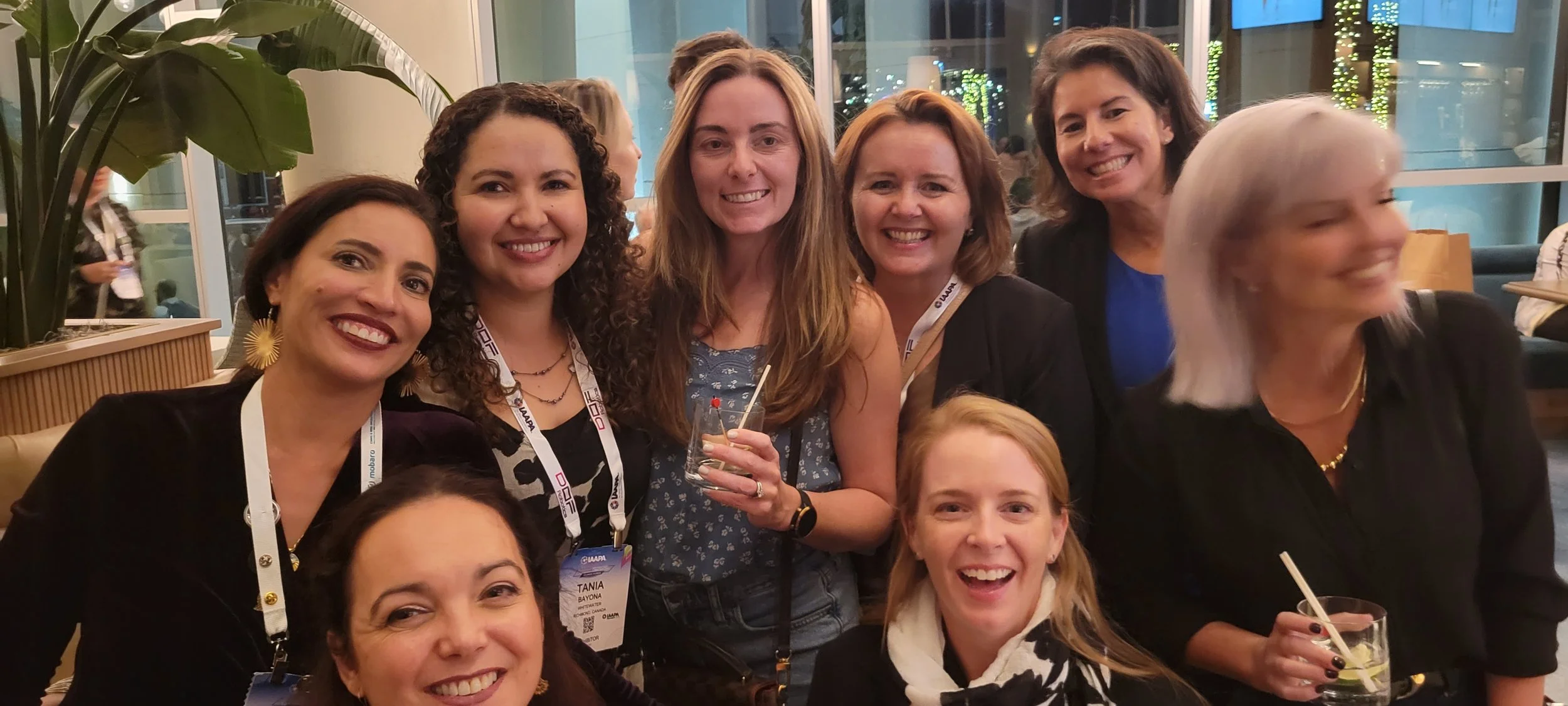
We have kept the same principles: it is not sponsored, everyone pays for their own drinks, and it is simply about women being together. It is probably the highlight of my show because it is so genuine.
I am really proud of that. I could not have done it without Emily, Mara, and Susie. I also love the butterfly pins. I may not know everyone wearing one, but when I see the pin, I know I helped them connect.
Stories, Escapism, and Creating Magical Guest Experiences
Is there a story that inspired you as a child and shaped who you are?
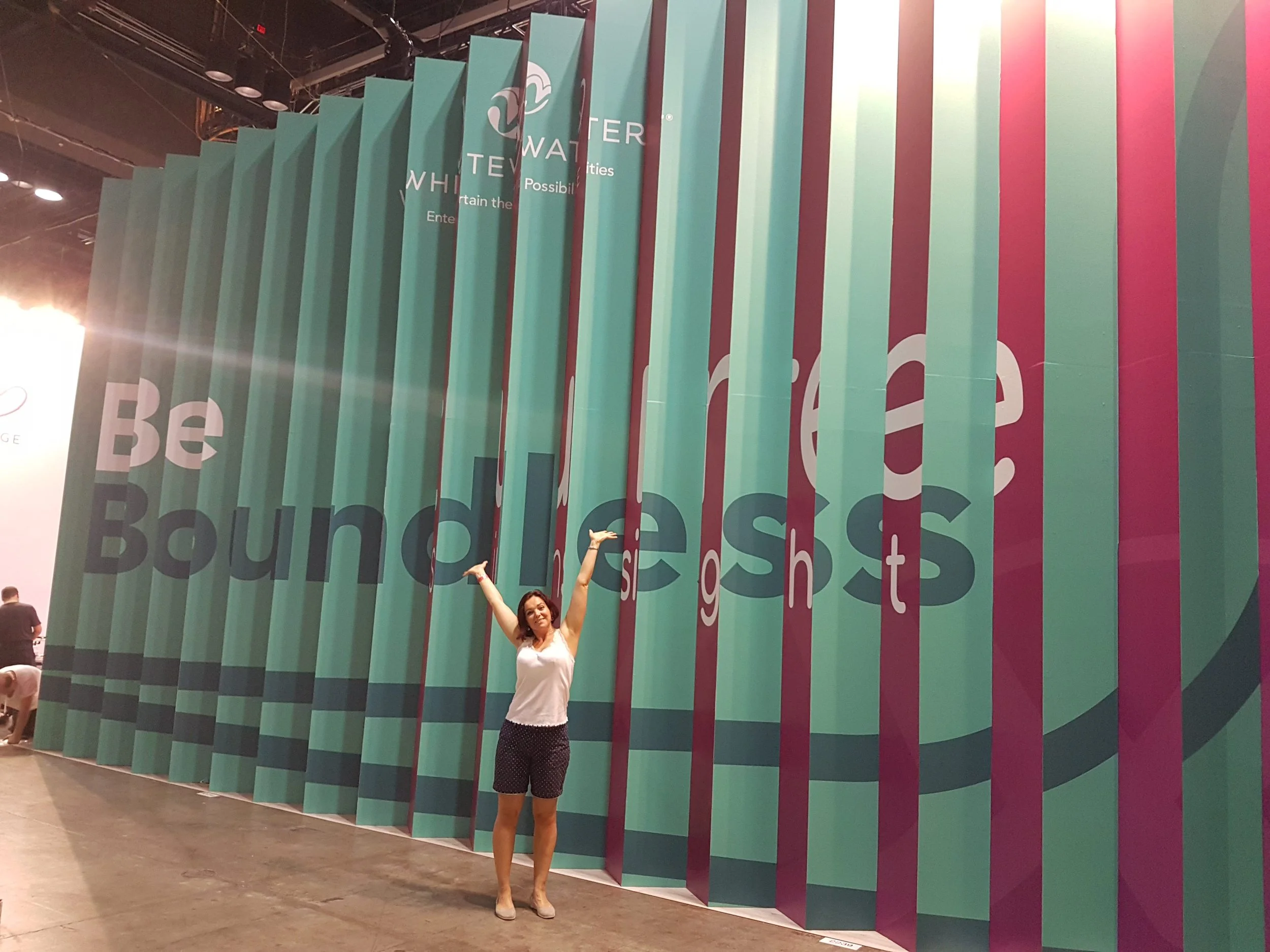
Because I am dyslexic, I was slow to learn how to read. My dad would read me a story every bedtime, and because he was always out working on the farm, this was our time together - but he would be really tired and sometimes fall asleep while reading. I had to follow along with where he was in the book, wake him up, and point to the place where we had left off. Eventually, something clicked. Because I had been following the words, I took the book from him and started reading.
The series that did that for me was C.S. Lewis' The Lion, the Witch and the Wardrobe. The idea that you can escape to other worlds stayed with me. Once the puzzle pieces came together in my brain, you could not get me out of a book. That is probably why I ended up studying literature.
That idea that stories transport you, that they are doorways into other worlds, still appeals to me. I still love fantasy. We want to escape, whether that is through a book or by going to an attractions venue. We want experiences that transport us away from the stresses of everyday life.
I secretly want to believe that magic is real and that we can, in some ways, help create it. We can make it real for the guests who experience what we do. Especially for kids, in this world of social media, I think it is important to keep alive the belief that something can be magical and shared in real life.
That’s why, after a decade at WhiteWater, I’ve just made the move to Enchanted Parks. By joining the talented team that CEO James Harhi is building, I’m joining his vision of saving regional US parks. We will reinvigorate our portfolio, apply new technology, and give them the care they need to remain at the heart of their communities for years to come. These parks have heritage; they are places that have made so many happy memories, and they will continue to bring people together. It’s a privilege to lead the marketing and create this new brand; I’m excited about what I can help build.
The Power of Storytelling in Aquatic Design
Una's path into the attractions industry may have started by accident, but her perspective on storytelling, brand, and human connection feels deeply aligned with the work of aquatic design. Whether she is shaping the narrative around WhiteWater's global portfolio, building distinct brands like Endless Surf and now Enchanted Parks, or creating space for women in the industry to connect and be seen, Una brings a thoughtful understanding of how stories shape how people experience the world.
At Life Floor, we know that the best splash pads, waterparks, cruise ship attractions, and aquatic play spaces are never just about the products used to build them. They are about the people who imagine them, the partners who bring them to life, and the guests who remember how those spaces made them feel. We are grateful for leaders like Una who continue to champion creativity, connection, and the kind of storytelling that helps aquatic spaces become unforgettable.
Founded in 1980, WhiteWater West is a global leader in designing and building water park attractions, from thrilling slides to immersive water rides. With teams spanning the Americas, Asia Pacific, the Middle East, and Europe, the company partners with operators worldwide to deliver safe, durable, and memorable guest experiences from concept through completion.
Enchanted Parks is a U.S.-based owner and operator of amusement parks, water parks, resorts, and lodging destinations. Founded by James Harhi, the company is built around creating family-friendly, immersive experiences designed to turn everyday visits into lasting memories.