
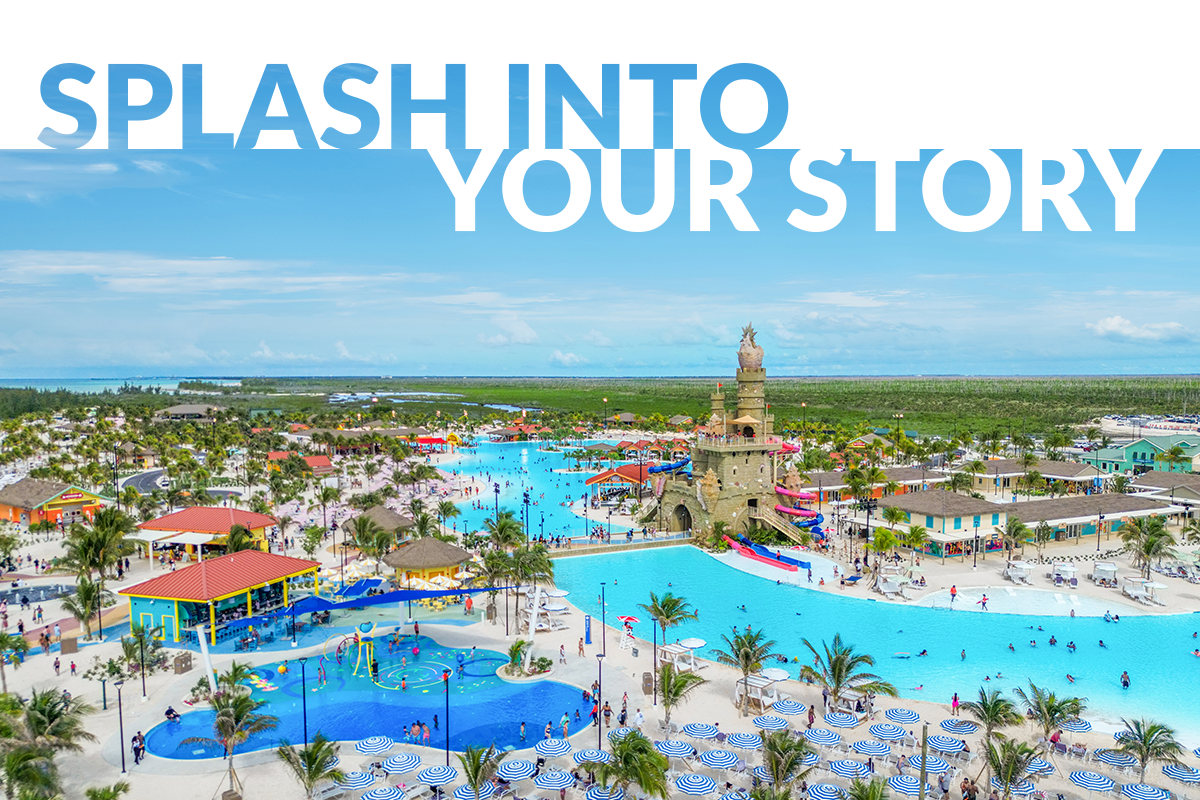
At Life Floor, we believe the most memorable aquatic spaces are created when safety, design, storytelling, and technical expertise work together. That’s why our collaboration with Martin Aquatic continues to be such a natural fit. As Authorized Life Floor Designers, Martin Aquatic has independently designed a multitude of projects featuring Life Floor surfacing, bringing deep aquatic knowledge and creative thinking to each space.
For this edition of Splash Into Your Story, we’re excited to feature Diego Cordova, Technical Director at Martin Aquatic. Diego’s path into aquatics and themed entertainment has been anything but ordinary — shaped by a childhood love of themed environments, a fascination with built environments, and a talent for solving complex design challenges. In our conversation, Diego shared what drew him to the industry, why hidden details matter in storytelling, and how collaboration, curiosity, and a little bit of chaos often lead to the most rewarding work.
From Architecture to Aquatic Theme Park Design:
Diego’s Career Path
What first drew you to the aquatics industry and to Martin Aquatic?
I was working in architecture for a while, and honestly, it wasn’t for me. It felt very repetitive, very cookie-cutter. I had always been fascinated by themed entertainment. I grew up playing Sim-type games, and I’ve been visiting parks and museums with my friends and family for practically my whole life, since I was born here in Florida and spent some time in Chicago as well.
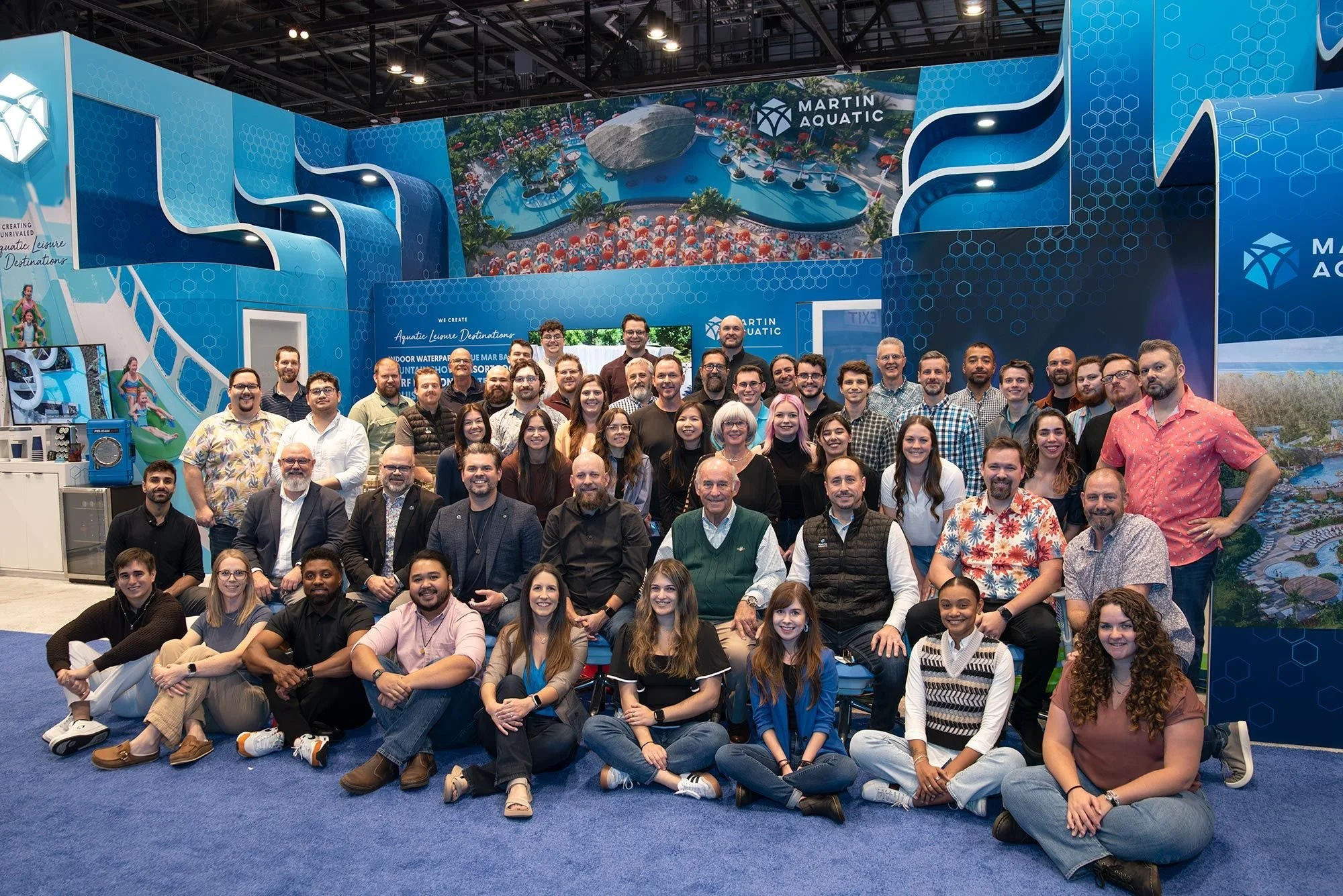
I came across a job opening at Martin Aquatic that aligned with my skill set at the time. When I walked into the office, I immediately thought, “This place is really cool.” At that point, the company was about one-sixth the size it is now. As Martin Aquatic has grown from designing relatively simple aquatic elements to incredibly complex full aquatic environments and destinations, I’ve been lucky enough to grow more and more into the themed entertainment side of the company.
Breaking Into the Themed Entertainment Industry:
An Unconventional Journey
Did you always think you would work in themed entertainment?
I certainly hoped I would. I originally went into mechanical engineering because I wanted to be involved in themed entertainment, but something didn’t quite click. Then my parents suggested nursing, and since a lot of my friends were there, I gave it a try for a semester. That didn’t go very well. I quickly realized I didn’t have the bedside manner for it, and I don’t do well with fluids or blood.
From there, I felt I needed to pick a direction, and I went into architecture, thinking maybe there was a way to make the connection, but really looking to find some semblance of stable work. After college, I worked on all sorts of things, from events in Miami to a locker company and phosphate mining. Eventually, through an unexpected series of events, I found my way into this industry and ended up doing exactly what I had hoped I could do when I was a kid.
How Universal’s Islands of Adventure Shaped One Designer’s Vision
Which theme parks inspired you most growing up in Florida?
What really started it all for me was Islands of Adventure. In the mid-90s, Universal Studios had a preview center for Islands of Adventure, and I remember being blown away by it. They had an entire section for Toon Lagoon, with what I remember being water effects and a really well-done Jurassic Park area. It was so complex and impressive for what at the time was an amazing new park.
That experience sparked my curiosity and made me look more closely at the details in parks. My happy places were EPCOT and MGM Studios (now Hollywood Studios). At Hollywood Studios, the magic of movie-making was fascinating. At EPCOT, the scale of the attractions and experiences felt so grand. Between those parks and the studio tours at Universal, I found a lot of inspiration.
For a while, I leaned slightly toward filmmaking, but I realized I was more drawn to the built environment. In film, things are temporary. If something is held together by zip ties, it’s fine because it’s coming down shortly after. But I like that themed environments are permanent. You can revisit them again and again. They’re tactile and long-lasting.
Solving Complex Aquatic Design Challenges:
What Drives Creative Problem-Solving
What motivates you every day?
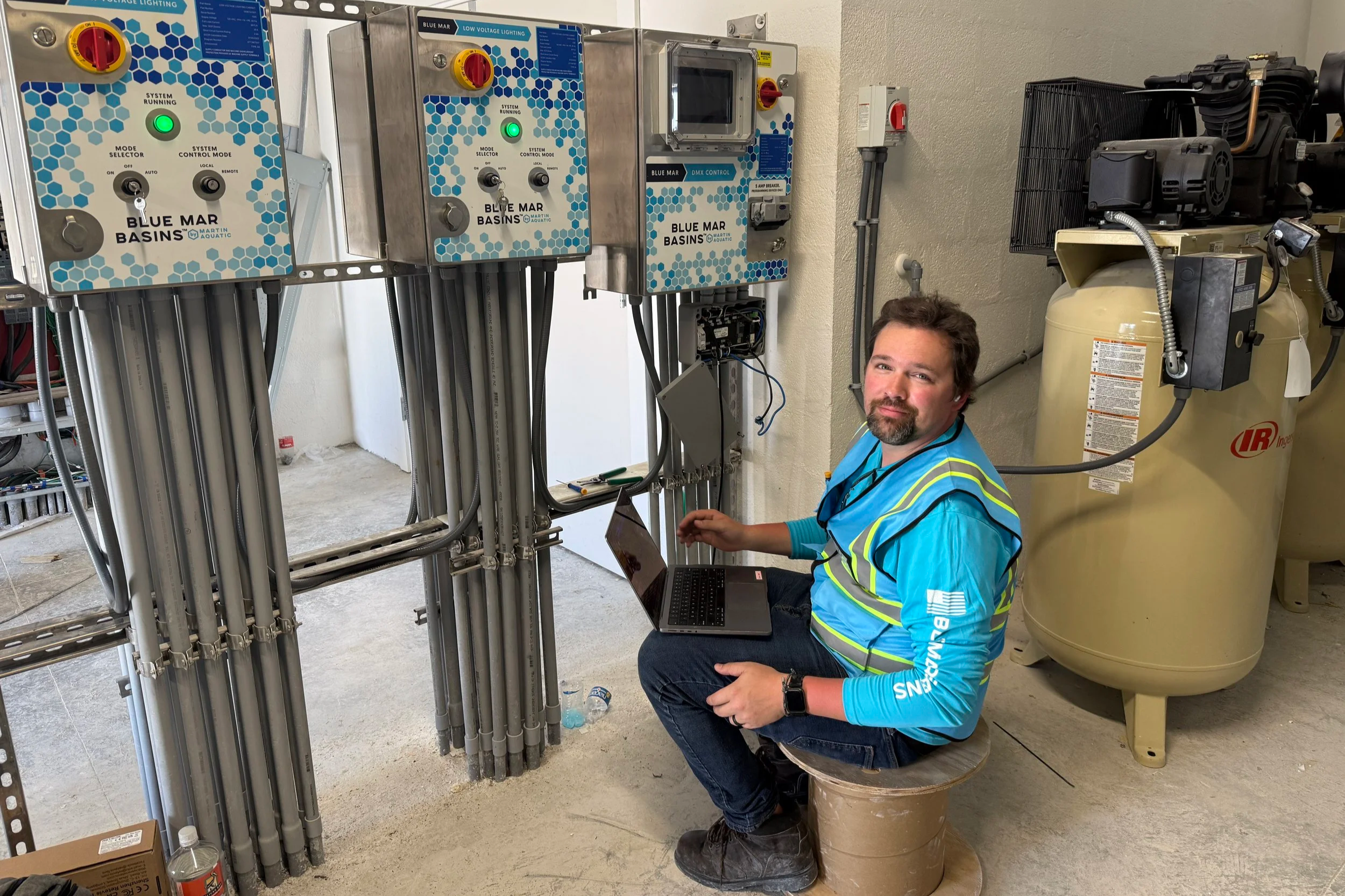
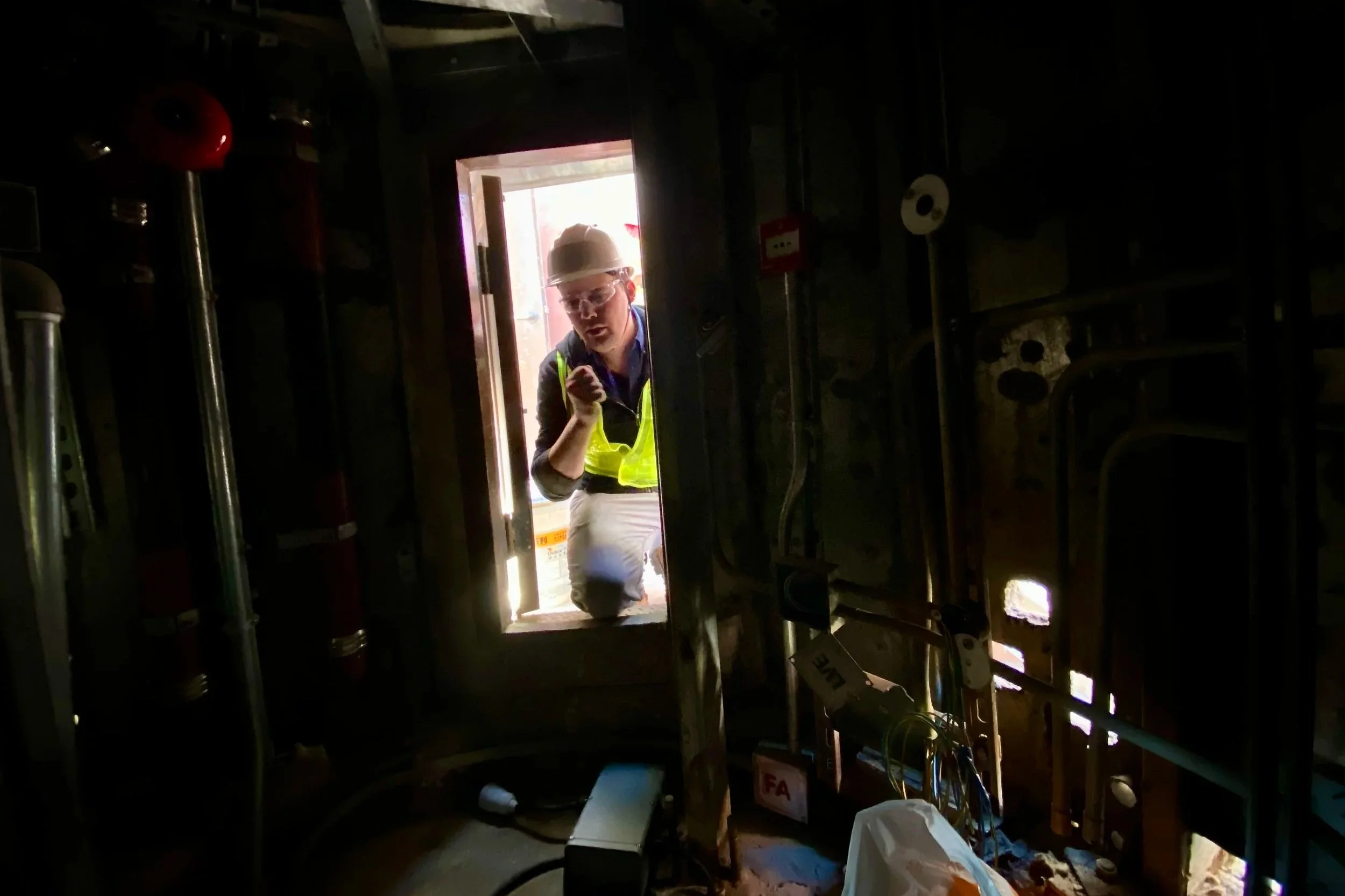
The challenge. When you meet with a client for the first time, there’s usually this moment of, “That’s awesome,” followed immediately by, “K, how are we going to do this?”
The ideas are often complex already, and then we’re trying to do them with water. Sometimes you hear an idea and think, “How on Earth are we going to make that work?” But then someone suggests a new way to approach it, and suddenly it becomes a cohesive brainstorm where everyone is on the same page, committed to, and excited about doing something cool.
Later in the project, there are always the real “oh, no” moments, something isn’t arriving in time, something can’t be built quickly enough, or there’s another challenge we have to solve. That’s when another intense brainstorming session happens, and we figure out how to make it work safely, effectively, and in a way that can be replicated.
Those moments of chaos are where I thrive.
Designing Memorable Aquatic Spaces:
The Reward of Seeing Your Work Come to Life
Do you have a favorite project you’ve worked on?
That’s a really hard question. Every project has something unique about it. Some are fun because of the different cultures, mindsets, perspectives, or ways of communicating involved.
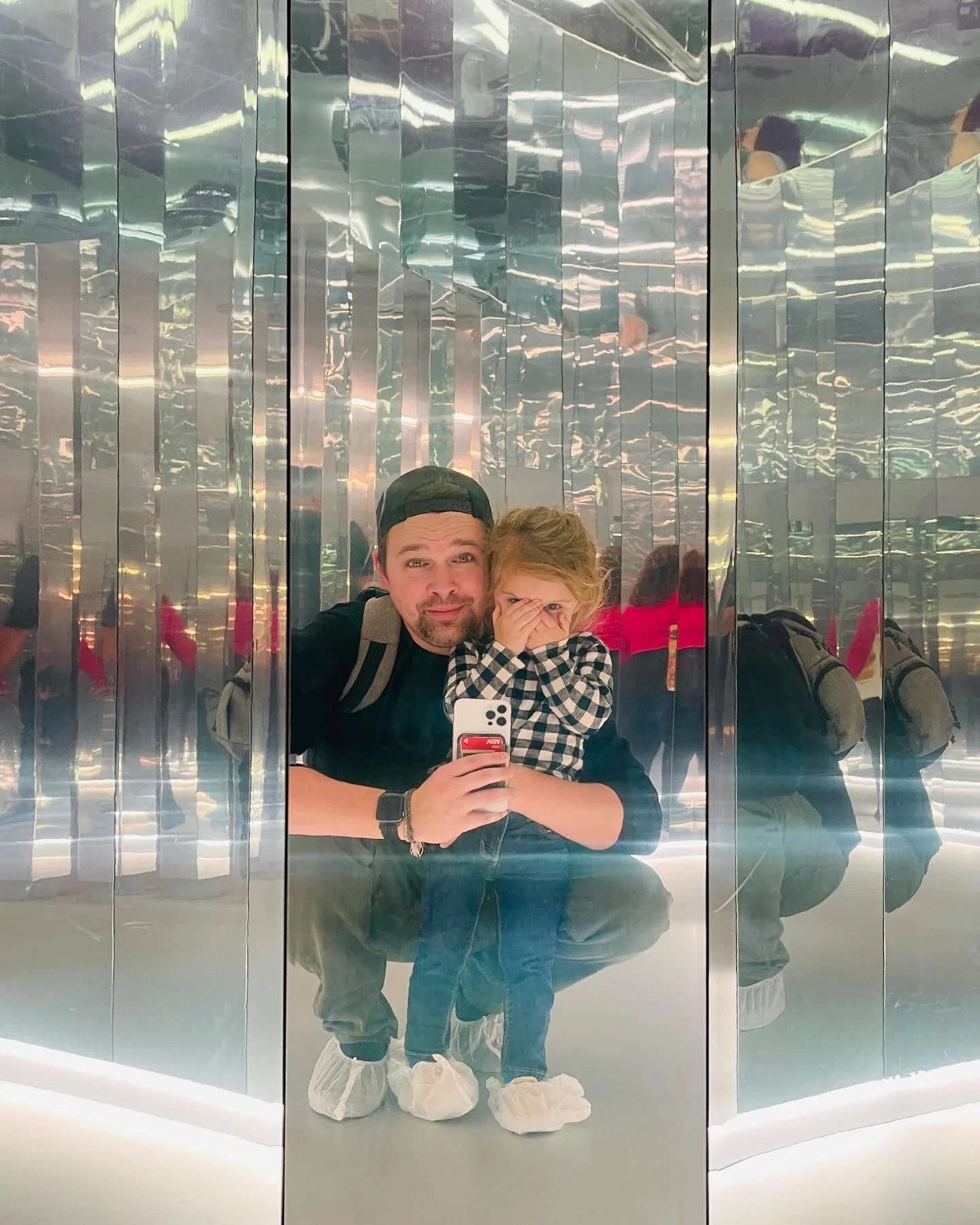
But one of the most rewarding parts is seeing the work through my daughter’s eyes. I’ll often be up late at night after everyone has gone to sleep, programming or working on renders. Sometimes she wakes up at two in the morning and asks, “What are you working on?” I’ll explain it to her, and she’ll sit with me and watch. At times, explaining it to her has resulted in an idea or helped energize me to get through the finish line.
When we go to the parks, she’ll ask, “Did you work on that? That’s so pretty.” Seeing it from her perspective has been incredibly rewarding.
That said, it’s hard to pick a favorite project because each has its own special elements. If the project itself wasn’t fun, the people were fun. If the people weren’t fun, which is rare, the process was fascinating. It’s like asking me to pick a favorite kid.
Mentorship in the Aquatic Design and Themed Entertainment Industry
Who has been one of your top mentors?
I've been lucky to have several mentors and people who have helped guide me through the industry.
Josh Martin has been a fantastic mentor. I’m kind of a goofball, and sometimes it gets chaotic in my head. There have been moments in front of clients where Josh is in the corner giving me hand signals or telling me to move on. He’s helped me learn how to navigate those rooms and interactions. He has also opened a lot of doors and given me opportunities that, looking back, I am still in disbelief he put in front of me, and for that, I am extremely grateful.
John Polk was another important mentor. He was one of the first people to take a huge gamble on me. Within Martin Aquatic, he trained, helped push me forward, introduced me to people, and supported my growth within the company and the industry.
I’ve also had mentors like Ron, who worked on World of Color years ago, and have been lucky to work with on a number of other similar projects over the years, as well as many people within the parks who were incredibly patient with me when I was newer to the industry and answered every question I had. I’ve been very fortunate.
How to Break Into Themed Entertainment and Aquatic Design: Expert Advice
What advice would you give to someone interested in this industry?
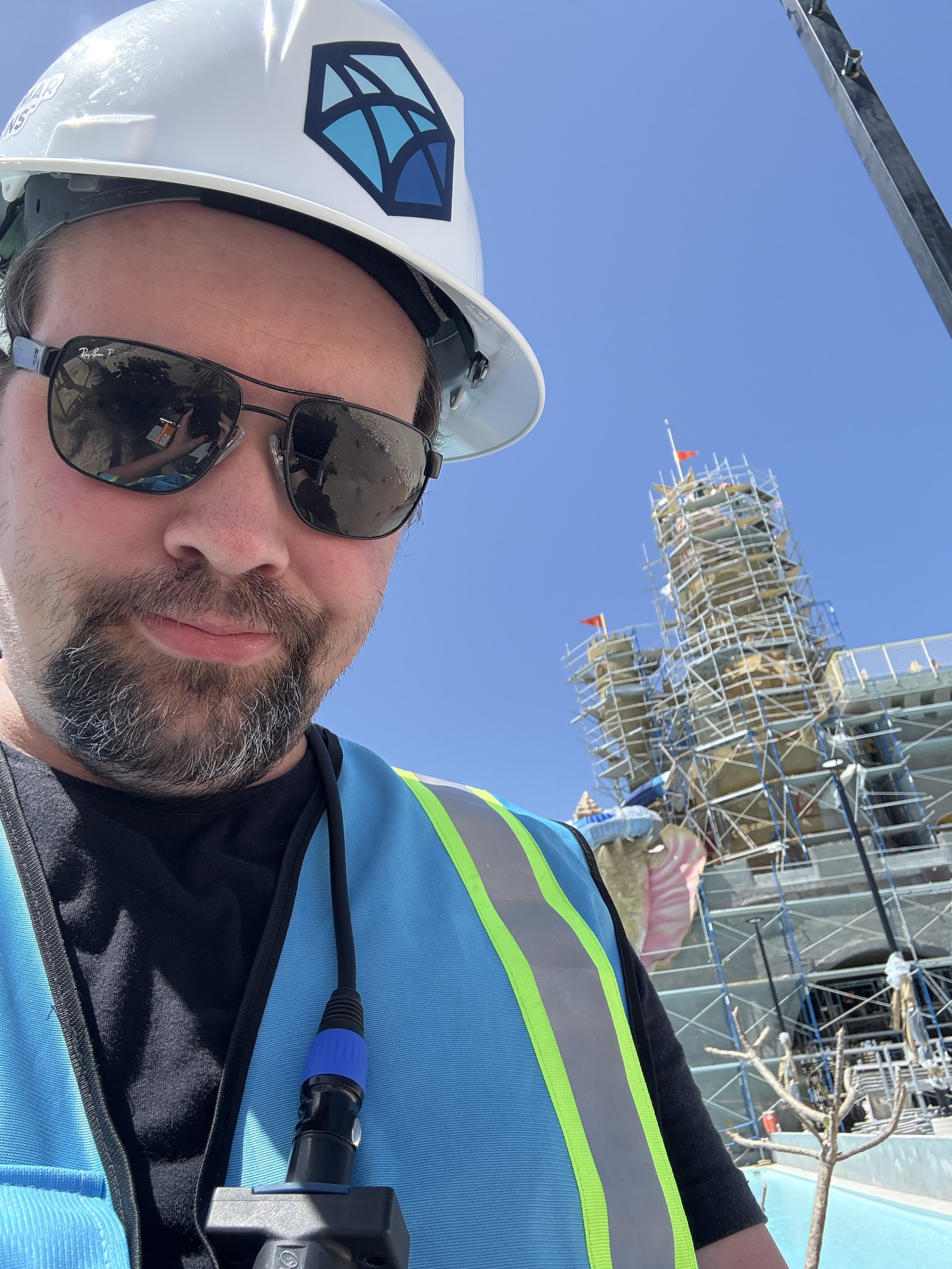
Try to be humble when the occasion calls for it, work hard, recognize your place in the room, and don’t be afraid to try something new.
This is a grueling and intense industry. Even when you’re right, you’re probably not the only person who is right. It’s important to listen and hear other perspectives. You may not end up agreeing or choosing that direction, but you should still absorb and learn from it.
Don’t be the person in the room who is always talking. Try to be the person in the room who is listening. There are so many experienced people in this industry who have seen it all and made mistakes, so you don’t have to. Sometimes you don’t realize who is in the room until they start talking and introducing themselves, and suddenly you realize you’re sitting among legends, people who helped define the industry. Many of them are willing to teach and help you grow if you’re open to it.
The Secrets of Great Themed Environments Storytelling: Hidden Details That Keep Guests Coming Back
What makes a themed space successful from a storytelling lens?
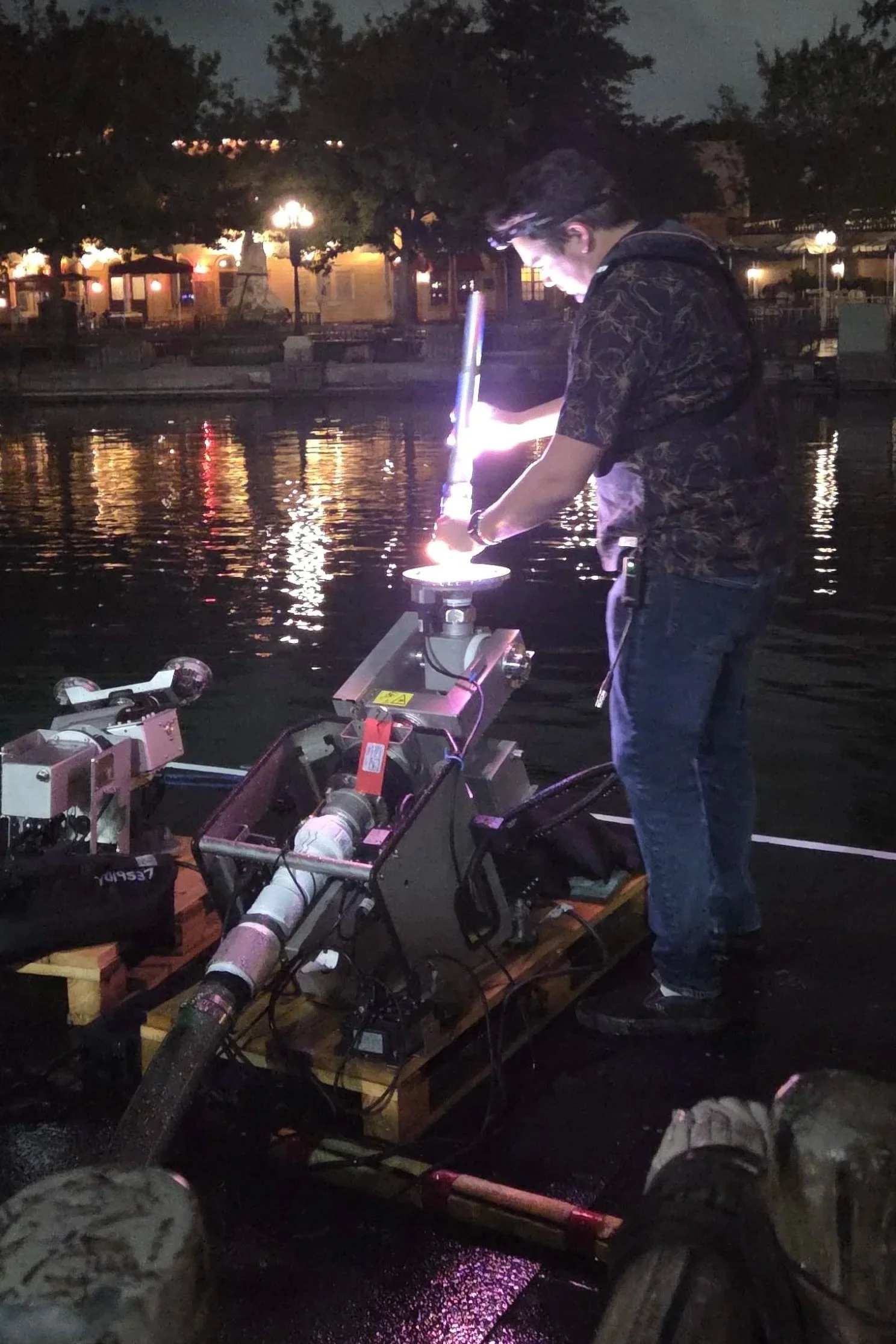
For me, it’s the hidden details. It’s how repeatable a visit to the space is.
You can visit a theme park dozens of times, and on the 13th or 15th visit, you’ll still notice something new. Maybe it’s a silhouette in a second-story window, a small story detail, or an audio cue that only happens if you’re sitting in the right place at the right time.
Those little details aren’t advertised as attractions, but they bring life to the environment. They create kinetic energy and make the space feel alive. A lot of people can create great rockwork, signage, lighting, or theming, but bringing all of those elements together in a way that rewards repeat visits is what makes a truly great themed environment.
WHERE IMAGINATION MEETS AQUATIC DESIGN
From Technical Detail to Lasting Experience
Diego’s perspective reminds us that great aquatic design and themed environments are built through a balance of imagination, technical problem-solving, and thoughtful attention to detail. Whether he is working through a complex design challenge, collaborating with a team to bring an ambitious idea to life, or seeing a finished space through his daughter’s eyes, Diego approaches each project with curiosity and care. Life Floor is proud to collaborate with Martin Aquatic, and we’re grateful for partners like Diego who continue to help create aquatic spaces that are not only functional and safe but memorable, immersive, and worth experiencing again and again.

Martin Aquatic Design & Engineering is an Orlando-based firm known for pairing creative aquatic design with technical engineering expertise to bring projects from “sketch to splash.” Since 1987, their team has helped craft nearly 3,000 projects worldwide, supporting waterparks, resorts, municipalities, master-planned communities, and experiential destinations with custom aquatic solutions. With expertise spanning concept design, hydraulic engineering, construction documentation, and post-design support, Martin Aquatic continues to shape sustainable, engaging, and memorable Aquatic Leisure Destinations worldwide. Life Floor is proud to collaborate with their team in creating aquatic spaces that are imaginative, functional, and built for lasting guest experiences.